
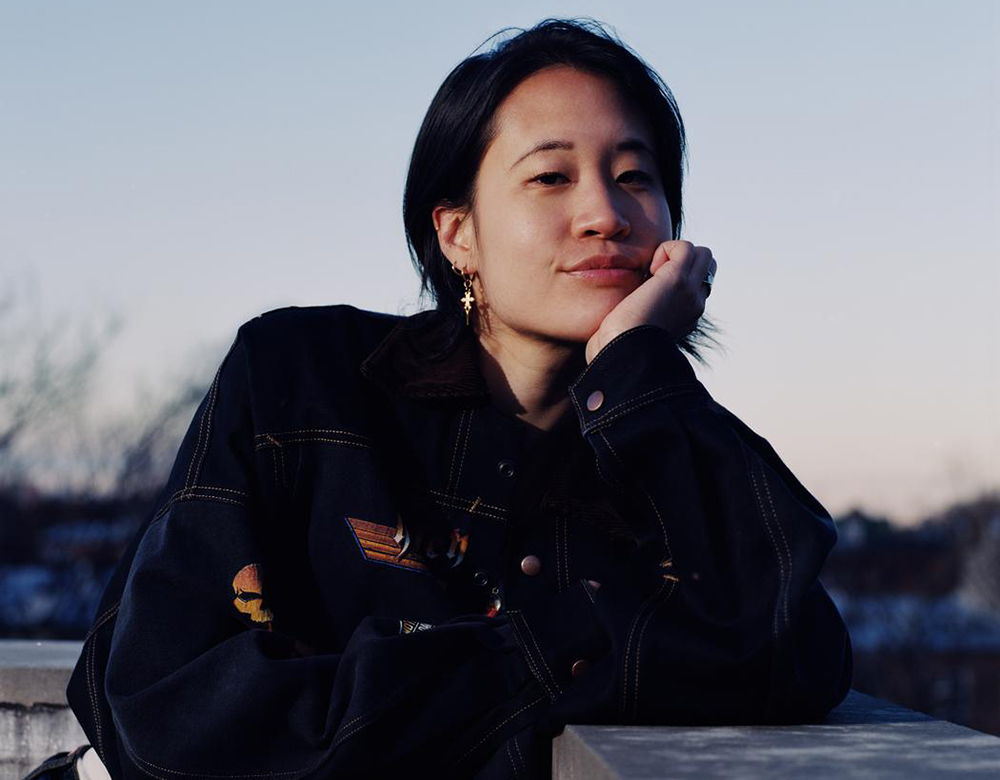
Your project To and From explores a feeling of being both tethered to and disconnected from Thailand. When did you first become aware of this emotional distance from home?
I think I became aware of that emotional distance during my late teens and early twenties, when I was navigating feelings of isolation and longing in my personal relationships. Those experiences amplified my sense of disconnection from home, or more accurately, from what I understood “home” to be at the time. Back then, the distance was less about missing Thailand itself and more about yearning for a sense of fulfillment and belonging that I felt home couldn’t provide.
As I’ve gotten older, those feelings have shifted, and instead of searching for something I believed home lacked, I now find myself holding onto the comfort and familiarity of being in Thailand with my family, and surrounded by the culture I grew up in. After spending so many years away, the emotional distance has become rooted less in absence and more in nostalgia and preservation.
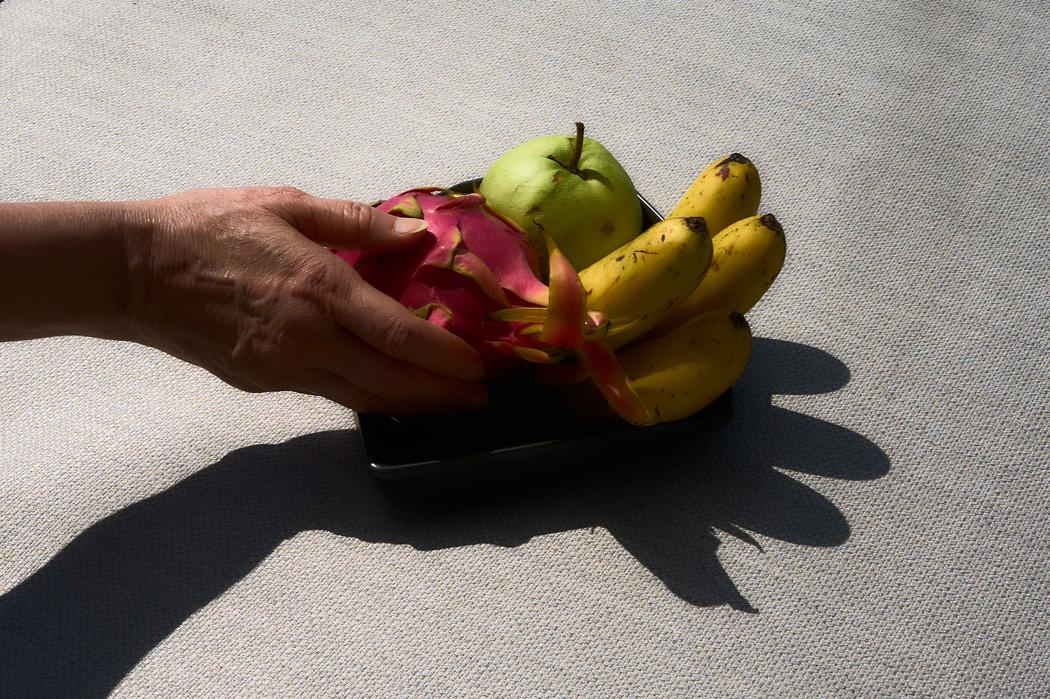 Kathryn Huang | Hand
Many of your photographs feel quiet and observational, even when they depict familiar or public spaces. How do you approach photographing places that carry personal memory?
I shoot primarily on film so that already heavily informs my approach when photographing places. Since I only have 36 or 10 shots in a roll, I really let my feelings towards what I’m seeing be the driving force behind what I capture. I like being able to look back at my photographs and return back to the feeling I had when I shot it, whether it was recognizing a familiar sight, smell, sound etc. The act of photographing is an act of preservation, because a photograph triggers a feeling in the brain in an instant. It’s also an exciting process overall because I can take a photograph of the same place at two different times in my life and I’ll be able to reflect on so many different feelings, life stages, memories from looking at those photographs.
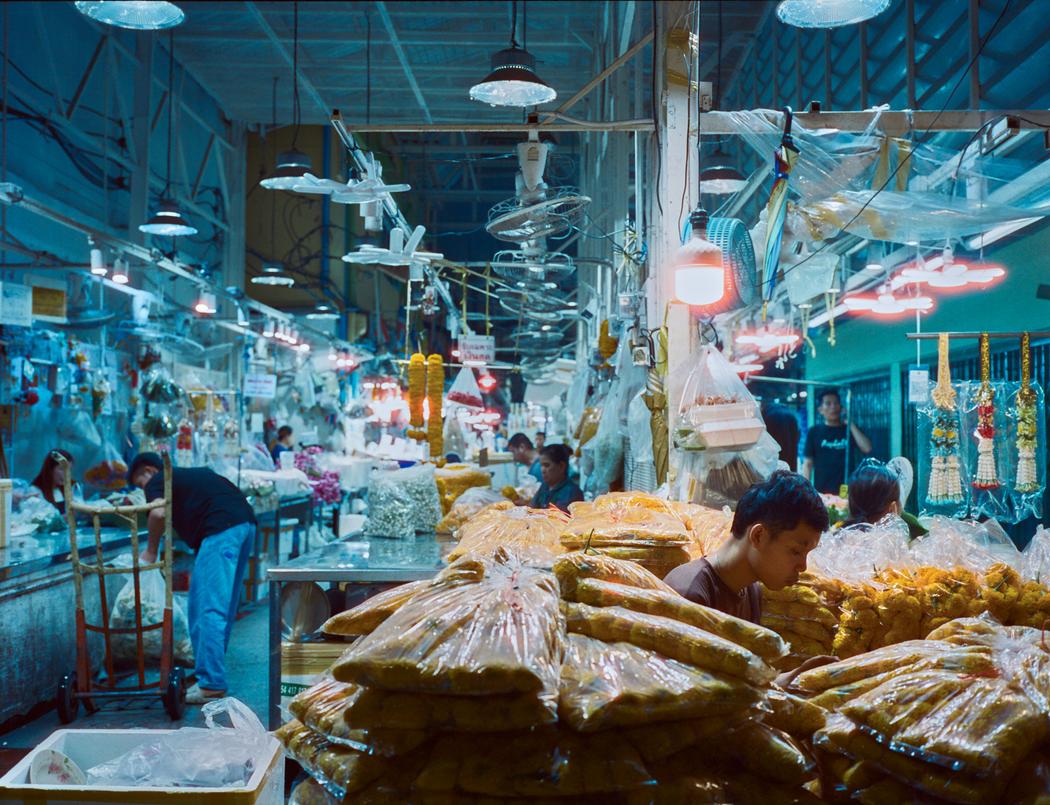 Kathryn Huang | Flower Night Market
You mention that over-tourism and globalisation have made parts of your childhood increasingly unrecognisable. How does photography help you preserve what still feels intimate or culturally specific?
Photography captures a specific moment in time, and with film photographs, the negative like is a physical and tangible memory that you can rescan and keep forever. So in a way it’s a nice way to keep something that feels frozen in time, even if the place you photograph changes the next time you see it, you’ll always have the photograph to re-ignite the memory of it.
The ocean appears repeatedly in your work – as a place of leisure, movement, distance, and return. What does the sea represent within this project?
The sea carries a lot of meaning for me. Growing up, many of my family trips revolved around the beach and the islands around Thailand, so the ocean has always been deeply tied to my memories of home. In 2020, during the pandemic, I got my PADI diving license, and that experience completely changed my life, along with the relationships I have with myself and the ocean. Since then, every time I return to Thailand, I make it a priority to visit the islands and spend time in the ocean because it’s the place that grounds and restores me the most. It feels deeply meditative and spiritual. Within this project, the sea becomes a symbol of safety, home, and continuity. It’s a place I return to both physically and emotionally. It also serves as a constant point of comparison, every beach or ocean I visit outside of Thailand is, in some way, measured against the feeling of being back home. The sea has become one of the strongest ties I have to Thailand, carrying both the comfort of memory and the longing to return.
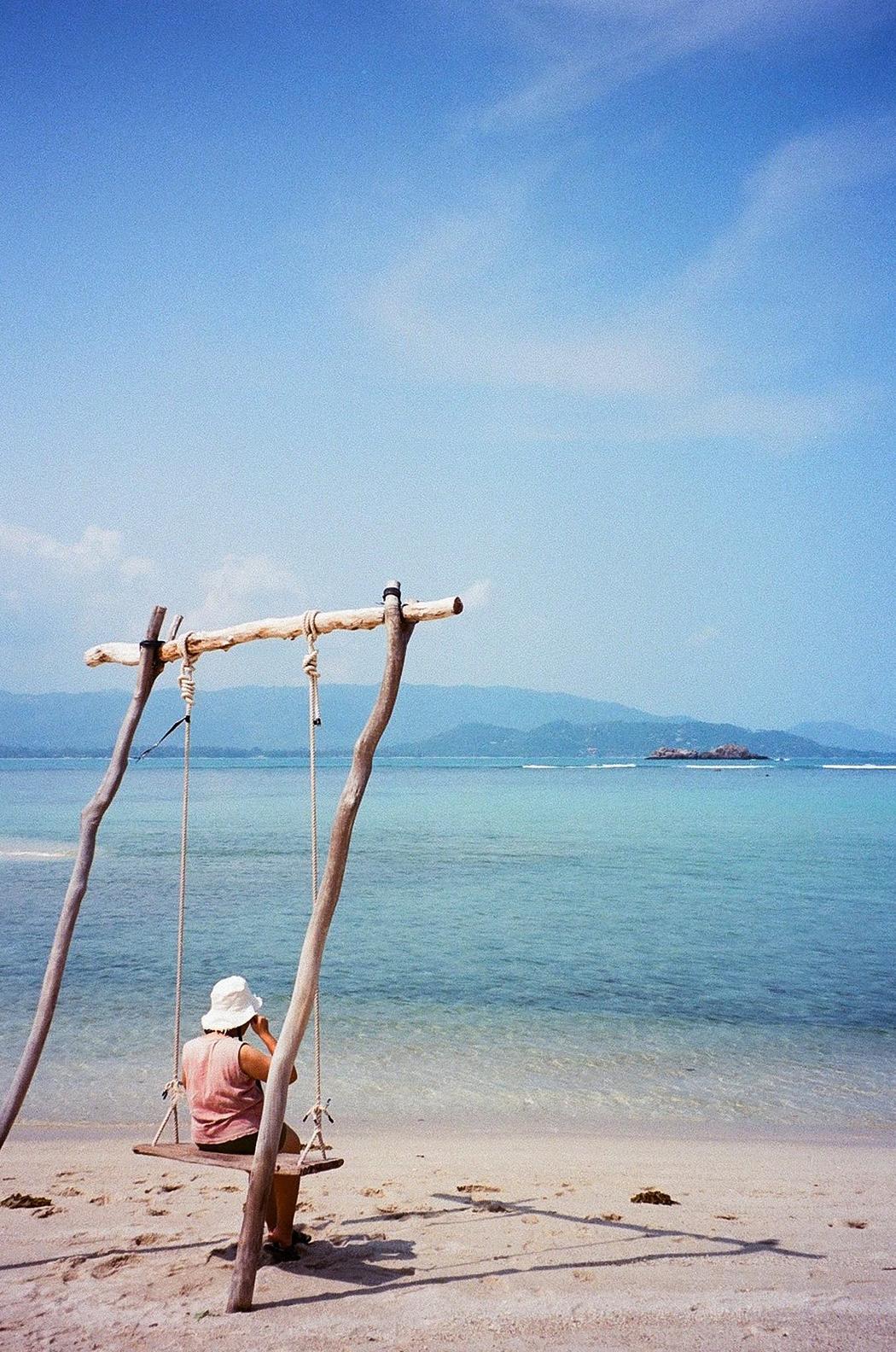 Kathryn Huang | Blue Water Swing
Flowers, fruit, markets, boats, and family rituals appear as recurring elements in the series. How do these everyday gestures help you speak about cultural identity?
All of these elements are central to Thai culture and to my own upbringing. Beyond informing my cultural identity, they’ve also shaped my artistic sensibility. Thai culture places a great deal of care on presentation and beauty in everyday life, whether it’s arranging flowers, preparing fruit, or the rituals of gathering around food and family. Those gestures of care have influenced the way I approach photography, making me attentive to color, composition, and the quiet beauty of ordinary moments. Within this project, these everyday gestures become markers of home. They’re the details that are often overlooked when you’re living them, but become deeply significant once you’re away. By photographing flowers, markets, boats, fruit, and family rituals, I’m not just documenting Thai culture, I’m preserving the memories, values, and ways of showing love that have shaped who I am. They’re small, familiar moments that carry an emotional weight, acting as anchors to a place that continues to evolve even when I’m not there.
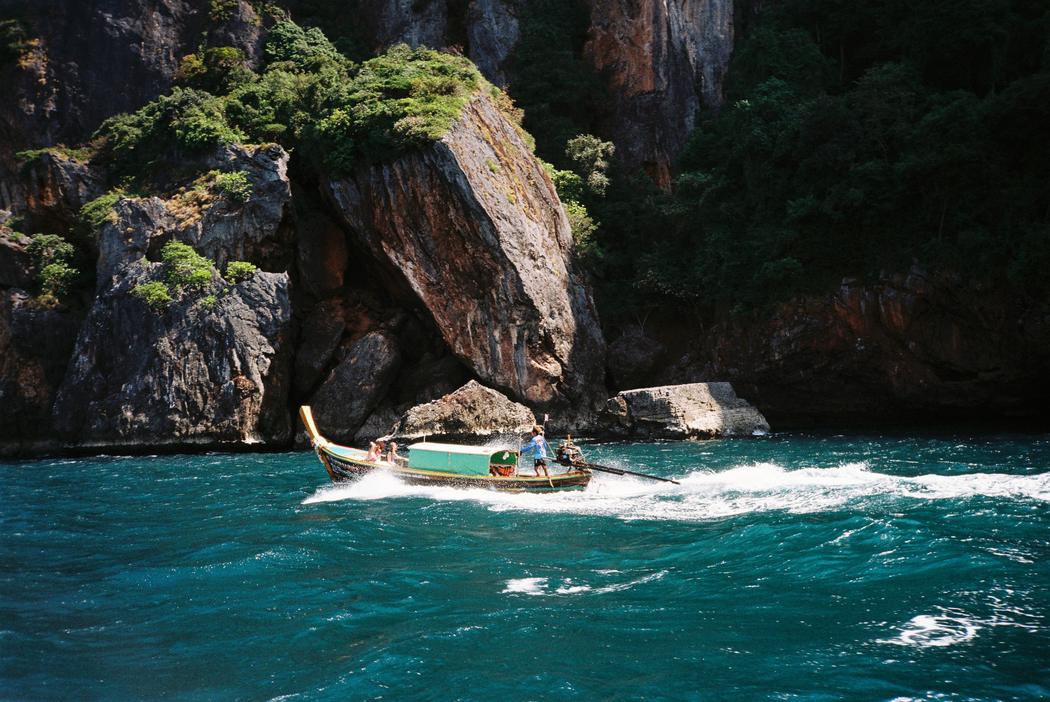 Kathryn Huang | Sail Away
How does your South East Asian heritage influence your visual language, especially when you are photographing scenes that may seem ordinary or familiar?
A lot of my work is characterized by vibrant, bold color, which I can directly attribute to growing up in Southeast Asia. Whether it was the colors of everyday life, the vibrant chaos of the streets, or the richness of the ocean and natural landscapes, I was constantly surrounded by diverse visual palettes that shaped my appreciation for color. I’m also deeply inspired by the energy of Southeast Asian street life. Whether I’m walking through a night market or riding a motorbike through town, I’m drawn to the many layers of life unfolding simultaneously. Those moments naturally create dynamic compositions, and that sense of visual density has become an important part of my photographic language. I love people-watching, so I’m often interested in making photographs where the viewer’s eye can wander through the frame, discovering different people, gestures, and details with each look.
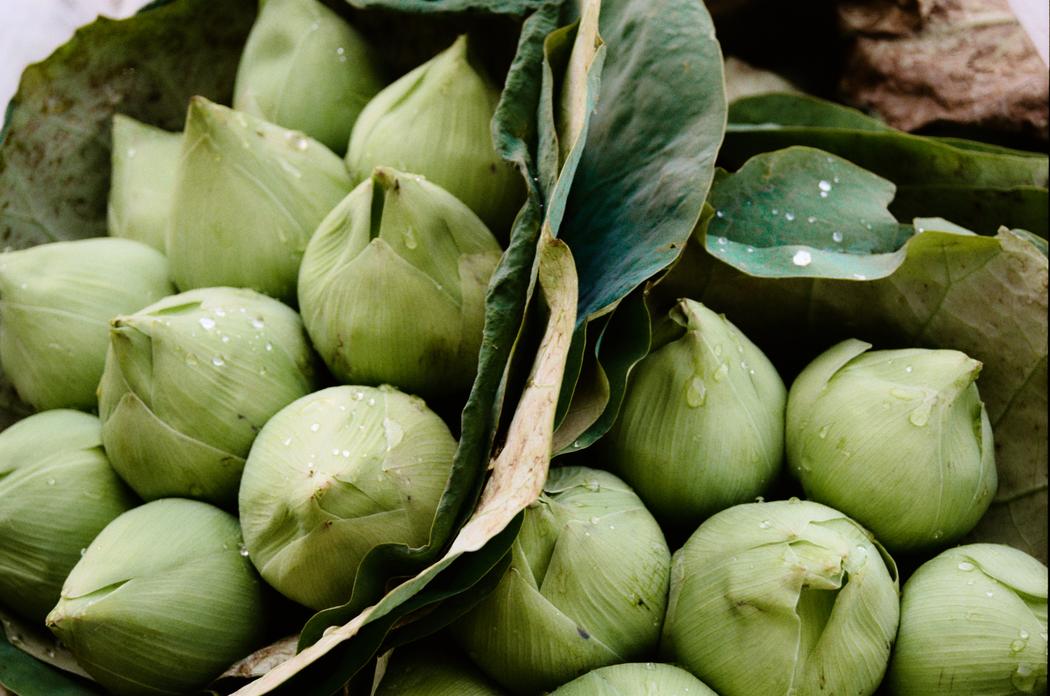 Kathryn Huang | Watering
Do you think romanticism is a way of protecting memory, or can it also create distance from reality? How do you navigate that tension in your work?
I think both can be true. For me, romanticism is less about creating distance from reality and more about a visual language through which I understand it. I have always been drawn to the scenic and to moments that carry a sense of beauty, stillness, or longing, so I naturally seek out those qualities in whatever I photograph.
Within this project, romanticism isn’t a filter that conceals complexity. To me, it’s a way of engaging with it. The project is rooted in tensions I am openly at odds with: belonging and disconnection, closeness and distance. The romantic qualities of the images allow me to hold these contradictions together rather than resolve them. There is also a deeply personal intimacy in the act of making these photographs, because I am fully aware that the moments I am documenting are raw, unrepeatable, and may never happen again. That awareness is what keeps the work grounded in reality. Photography becomes a way of documenting and archiving moments that eventually become memories, preserving not only what was there, but also how it felt to be there.
0 comments on “Kathryn Huang”