

You’ve had a long and diverse career in the music industry since 1997 — from production and artist management to creative direction. How did these experiences influence your visual art practice?
First and foremost, I’m blessed that my childhood love of music has become my lifelong career. My vast experience in the music industry has given me unprecedented access to the world’s most popular music and artistic creations. While I don’t personally base my own creations on references to others’ work, I believe that all the information I’ve seen and heard is stored in my internal database. This so-called “database” allows me to reconstruct my own unique creative ideas in all my works.
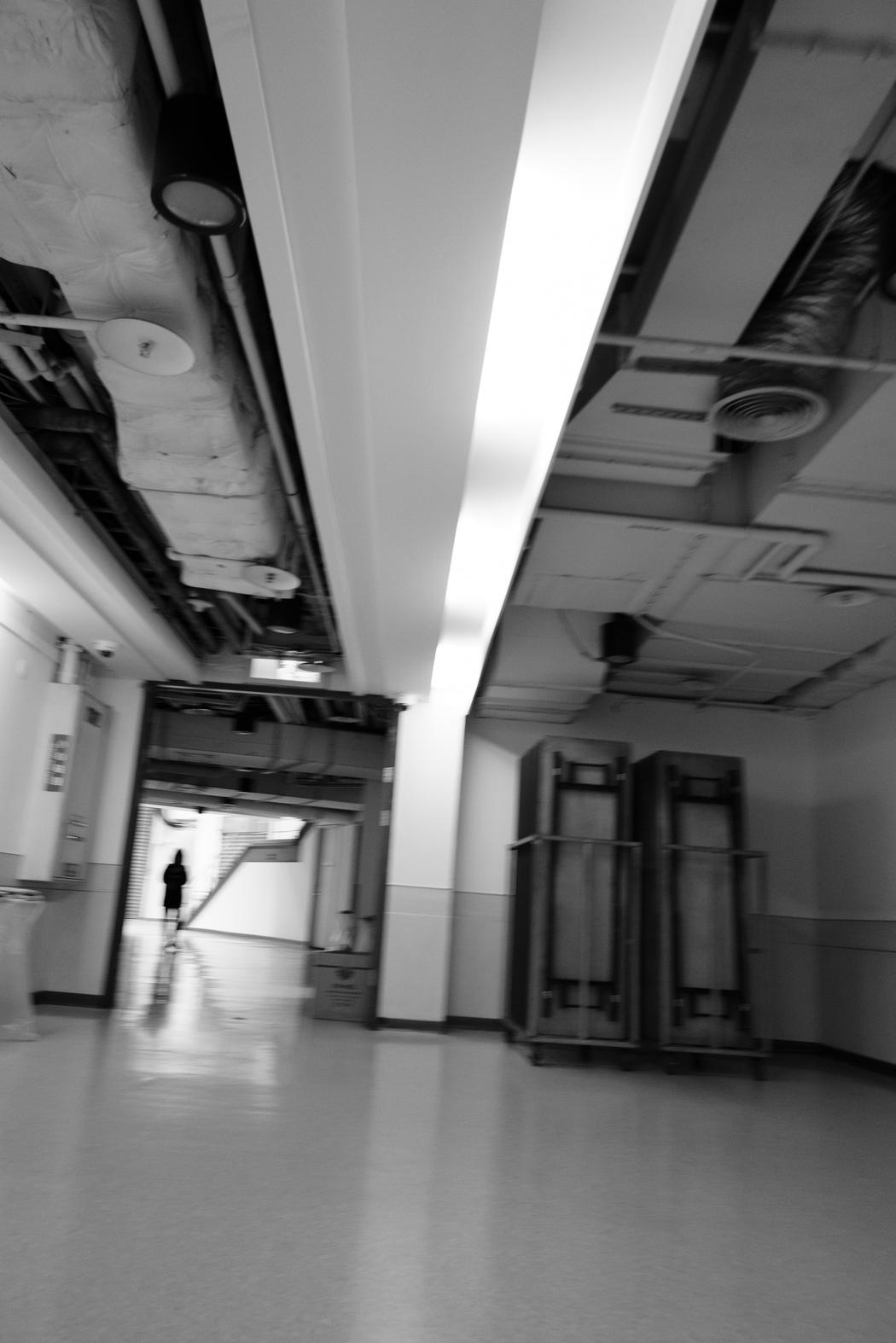
Your photographs capture movement, light, and emotion — often in monochrome and with deliberate imperfection. What draws you to this aesthetic of tension and motion?
I’ve been a rebellious person since I was a kid, a bit of an egoist, and I don’t like to do things the same way as everyone else. I dislike being taught in a particular way or being forced to use a specific technique. Who says that having a symmetrical, neat, and bright image is always right? Creativity should be spontaneous, allowing for unrestricted imagination and even the unexpected; there shouldn’t be any boundaries. Once boundaries are in place, creation becomes unpleasant, and my mood suffers, resulting in photos that lack any feeling.
In essence, I just shoot as I walk, capturing whatever catches my eye. I don’t stop to review each photo. I just shoot randomly, letting things flow, then selecting the ones I like and constructing a story from them.
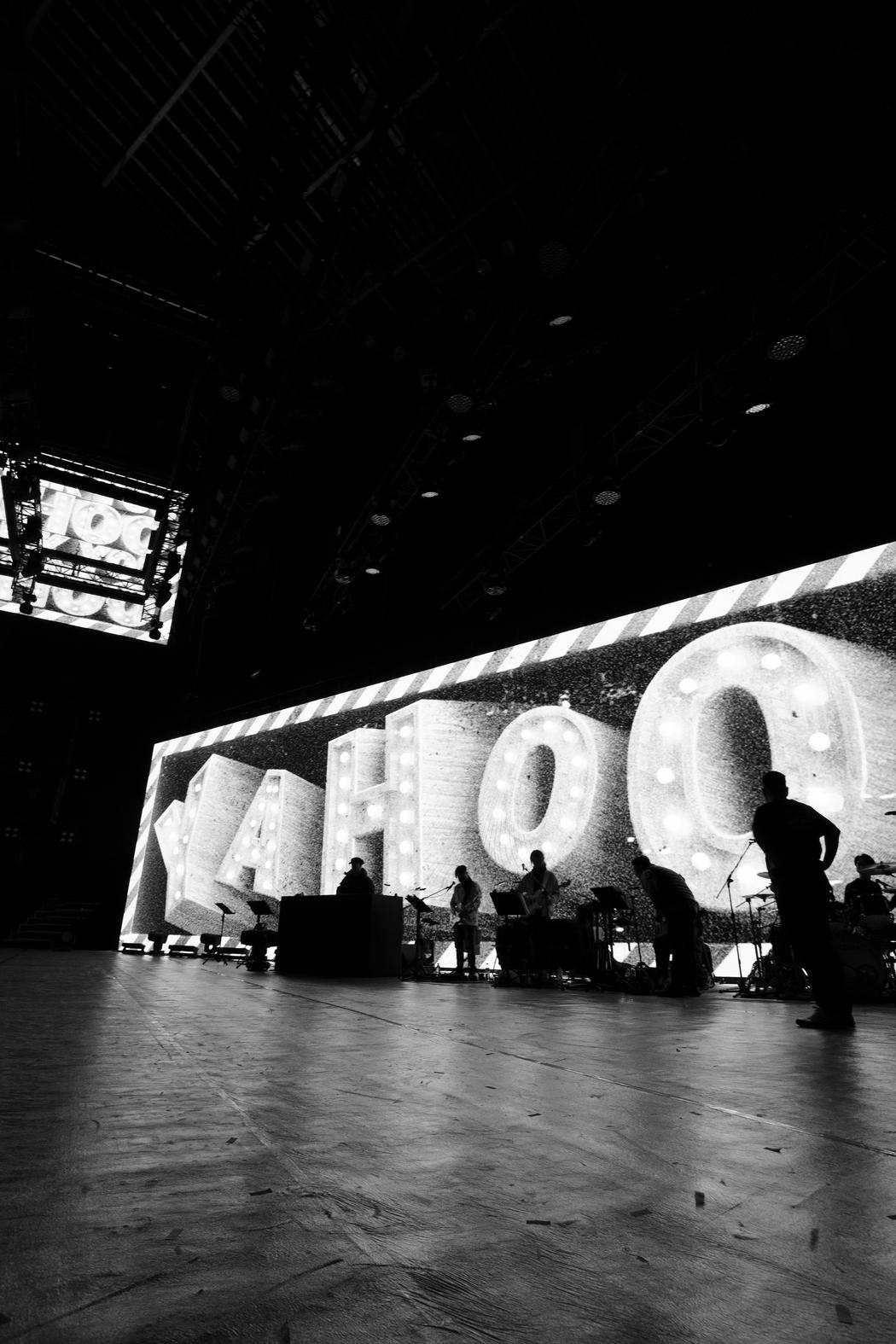
You mention your “flawed eyesight and perspective” as part of your process. How does this personal element shape the way you see and frame the world through your camera?
Regarding my eyesight flaw, I typically see the world with either my right or left eye. During the photo shoot, I focus on capturing the perspective and angle I like, rather than adhering to standard procedures. Then I’ve discovered that only a few people do photography in vertical format because most people see the world with both eyes. I didn’t realize the difference until a friend who teaches me photography told me about it.

What role does music play in your visual work today? Do you approach photography as a kind of rhythm or composition?
Music is the source of my visual work and is indispensable. Surely, I can create art without music alone, but I must admit that some visual works can be more impactful when paired with music. Photography is a rhythm for me. I follow my mood, observe, feel, then photograph—this is the way of my creative process.

In your recent photographs, there’s a strong interplay of light and structure — sometimes almost architectural. Are you consciously exploring space and design as subjects?
Photography is about capturing the moment I see a scene or capturing the changes that occur from a certain angle. I take a picture because I find it beautiful or touching, and these shots are all taken unconsciously.
What’s your creative process like when you shoot live events or concerts — do you plan compositions in advance, or rely on intuition and improvisation?
I am a photographer who has never studied photography. I only rely on basic camera knowledge and some possibilities (most of which are guesses) to shoot. Since photography isn’t my primary job, I can shoot whatever I want, casually and happily. It is my habit to shoot when I see a touching moment or composition I like, so it is closer to what you call intuition and improvisation.

Finally, what do you hope the audience feels when they look at your photographs — especially the blurred, dynamic ones where time seems to vibrate?
We all live in a dynamic world, so moving objects are inevitable. You could say my photography sits somewhere between stillness and movement, on the brink of the two. This movement and the illusion of being present yet not there sometimes prompt people to take a closer look and guess the stories or expressions in these photos. So, no matter what, enjoy the beauty you see; any images or scenes that please you are the most beautiful moment in the world.
0 comments on “Tina Lin”