
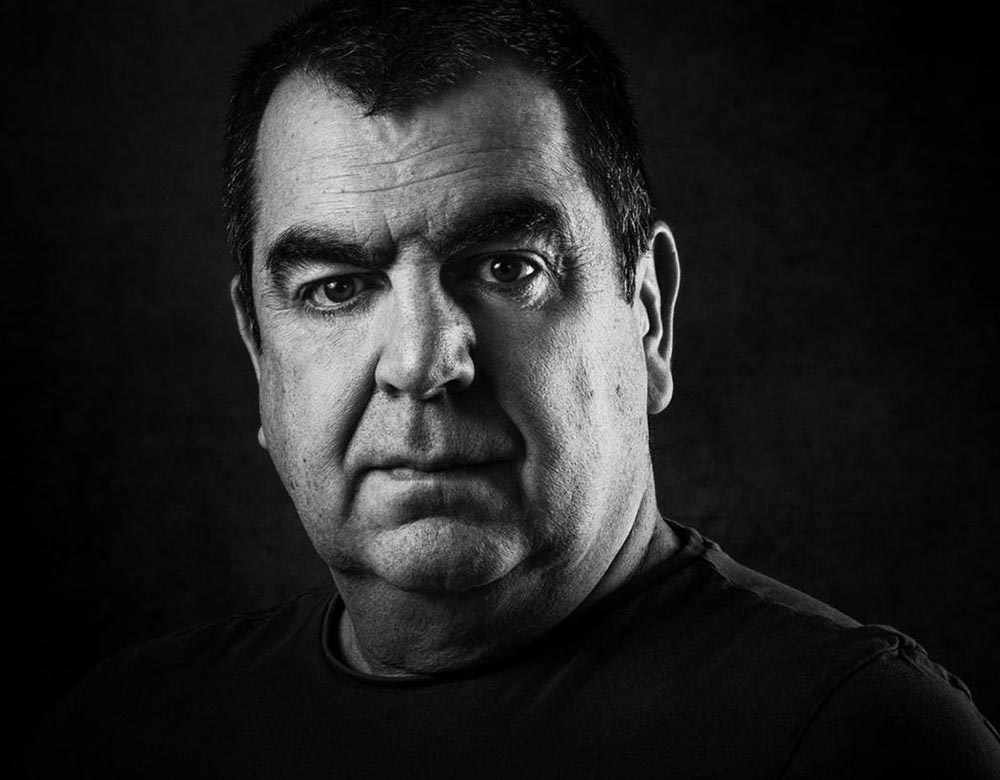
Your photographic journey in Latin America spans more than two decades. What first drew you to this region, and why has it continued to call you back?
As a tourist, I visited Latin America for the first time in the early 1990s. I particularly appreciated the diverse culture and the local people. I began learning Spanish, and my wife and I started organizing our trips independently. I have always been fascinated and impressed by how, particularly indigenous populations, strive to preserve their culture and way of life despite challenging economic circumstances.
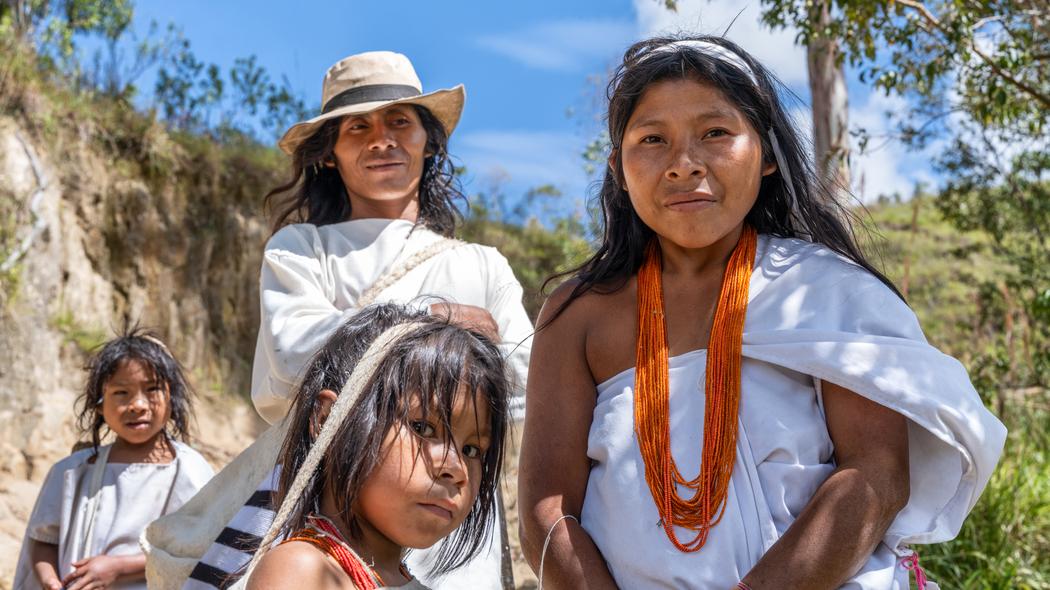 Christian Kieffer | Sarachui
You describe portraiture as a way of telling the stories of unknown people. How do you build trust and connection with individuals from Indigenous communities you photograph?
This question poses significant challenges and is not straightforward to answer. Many of my friends, whether residing in Colombia or Panama, have posed similar inquiries, as capturing images of these communities can be difficult for them as well. Firstly, the psychological aspect of photographing people generally plays an important role. Secondly, it is essential to educate oneself about the culture beforehand and to maintain a high level of respect at all times. Engaging in discussions before beginning to take photographs can be beneficial, and spending a few days in a particular area proves helpful. My tours are not commercially organized; I always collaborate with local friends and photographers. Proficiency in Spanish is necessary, although in certain regions, indigenous communities may only communicate in their native languages.
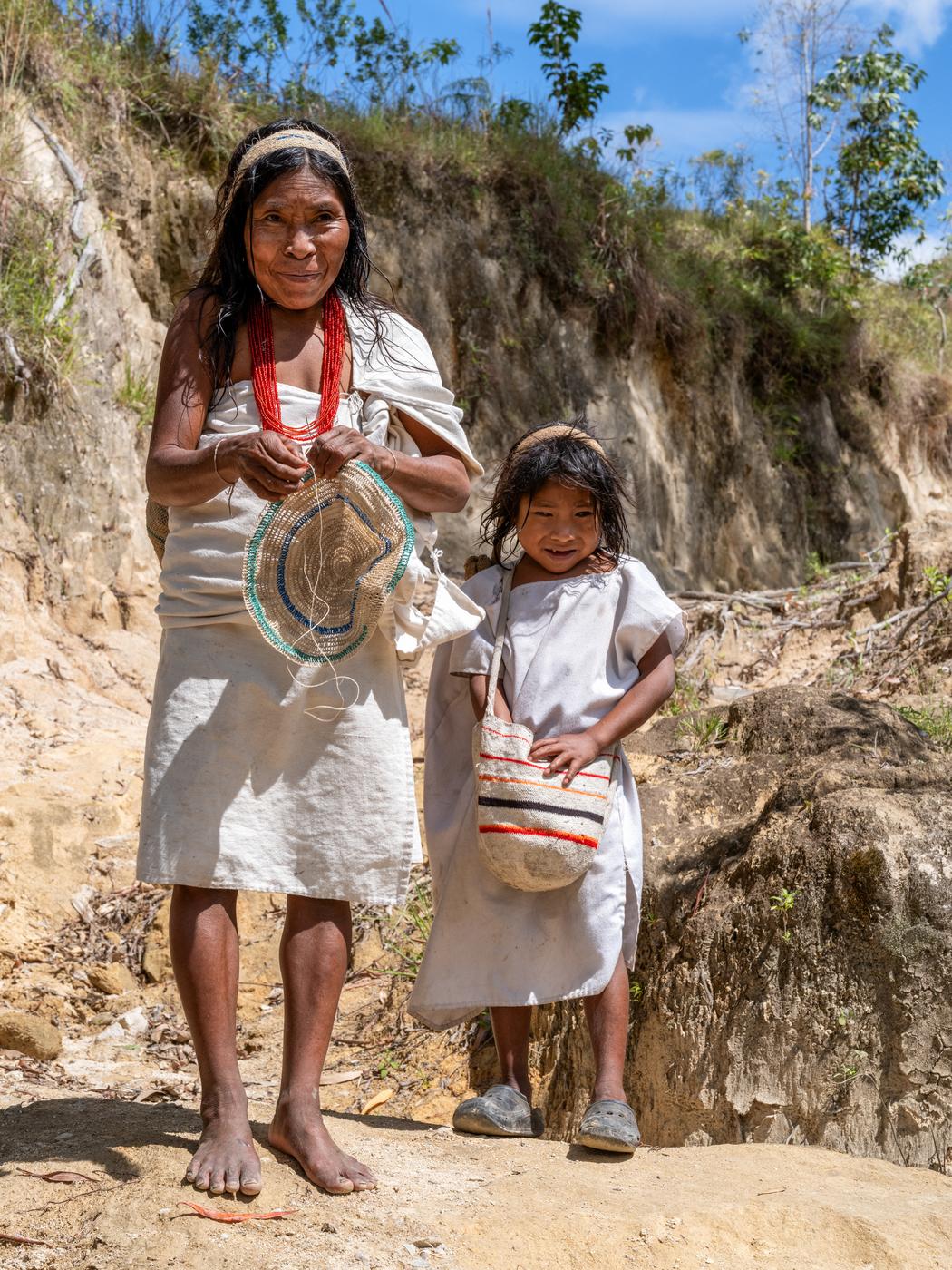 Christian Kieffer | Sarachui
You often work in black and white, even when surrounded by visually rich landscapes. What does black-and-white photography allow you to express that color cannot?
Black and white photography often captures the essence of the subjects being photographed and directs viewers’ attention to the most important aspects, particularly the subject’s soul, when executed well. While vibrant colors, such as those discussed in this article, are also intriguing, they tend for me to be more challenging to achieve.
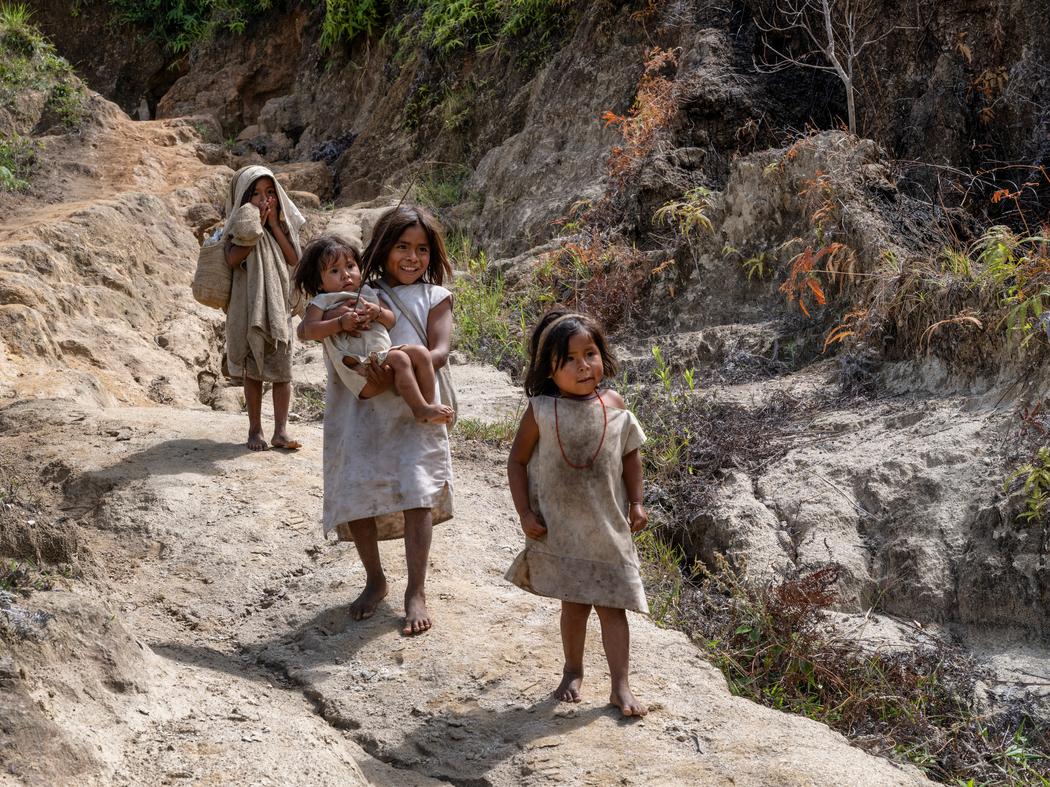 Christian Kieffer | Sarachui
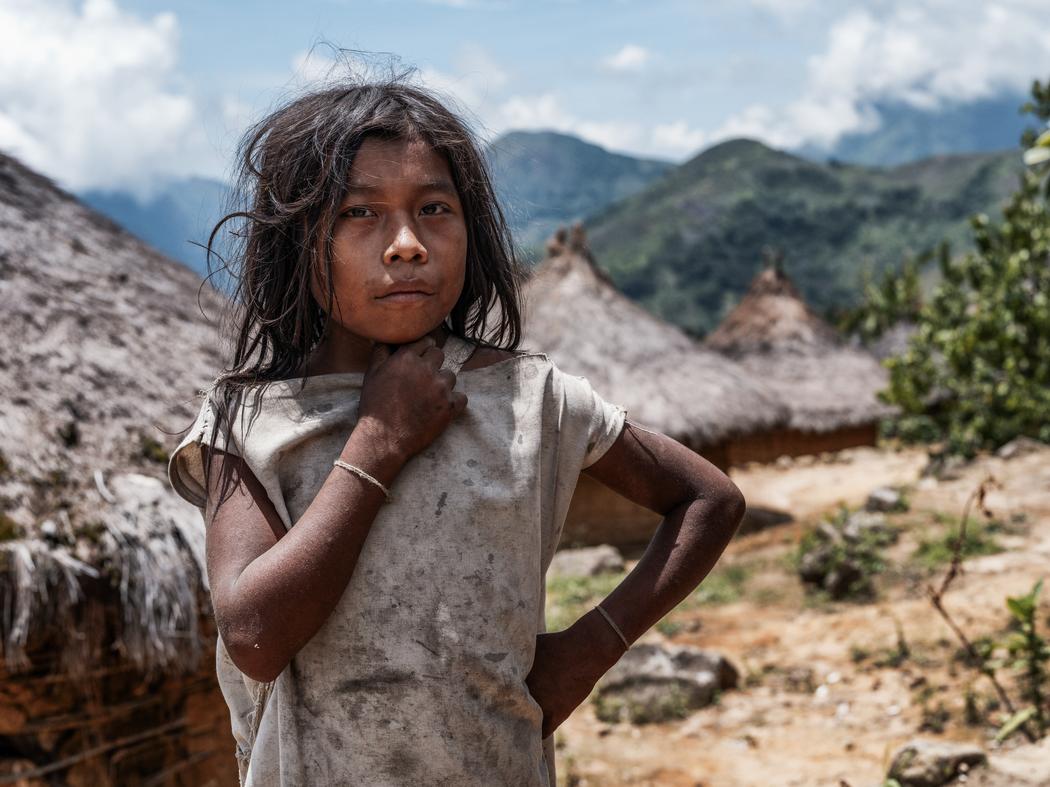
You have returned repeatedly to the Sierra Nevada and visited communities such as the Kogi, Arhuaco, Wiwa, and Kankuamo. How has your perception of these communities evolved over time?
I developed a better understanding of their way of life. After 2017, during my first organized visit to the Ciudad Perdida (Lost City) in the Sierra Nevada, I had multiple opportunities to engage with some of the local communities, which provided me with deeper insights into their lifestyle and culture.
 Christian Kieffer | Sarachui
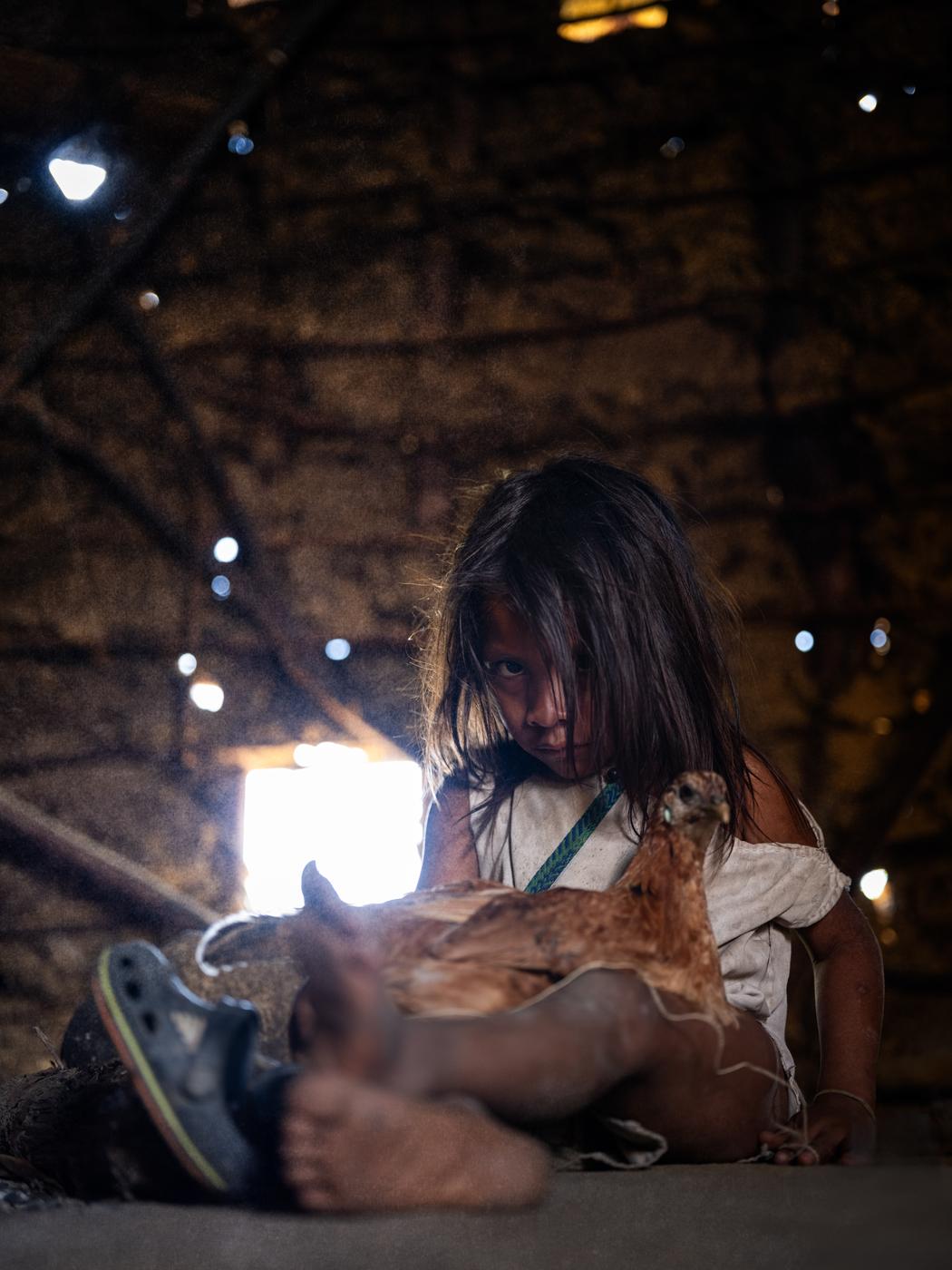
How does physical effort – long treks, remoteness, and time spent in the mountains – shape your photographic process and mindset?
I am currently 55 years old and reflect that I should have undertaken such treks 30 years ago. At this point, I need to work on my fitness as the conditions are hot and humid, making some of the treks challenging for me. During my last trek, my photographer friends from Colombia were in their late twenties, but I am appreciating every moment of this experience. Since I switched to a medium format camera six years ago, my number of clicks has reduced. I tend to take my time, often engaging with people first to make them comfortable before capturing their images. I find myself reverting to a portrait style rather than adopting a more documentary approach. I have a strong appreciation for my new 55 mm lens. However, there are times when capturing the right moment requires quick reflexes to freeze important instances.
 Christian Kieffer | Sarachui
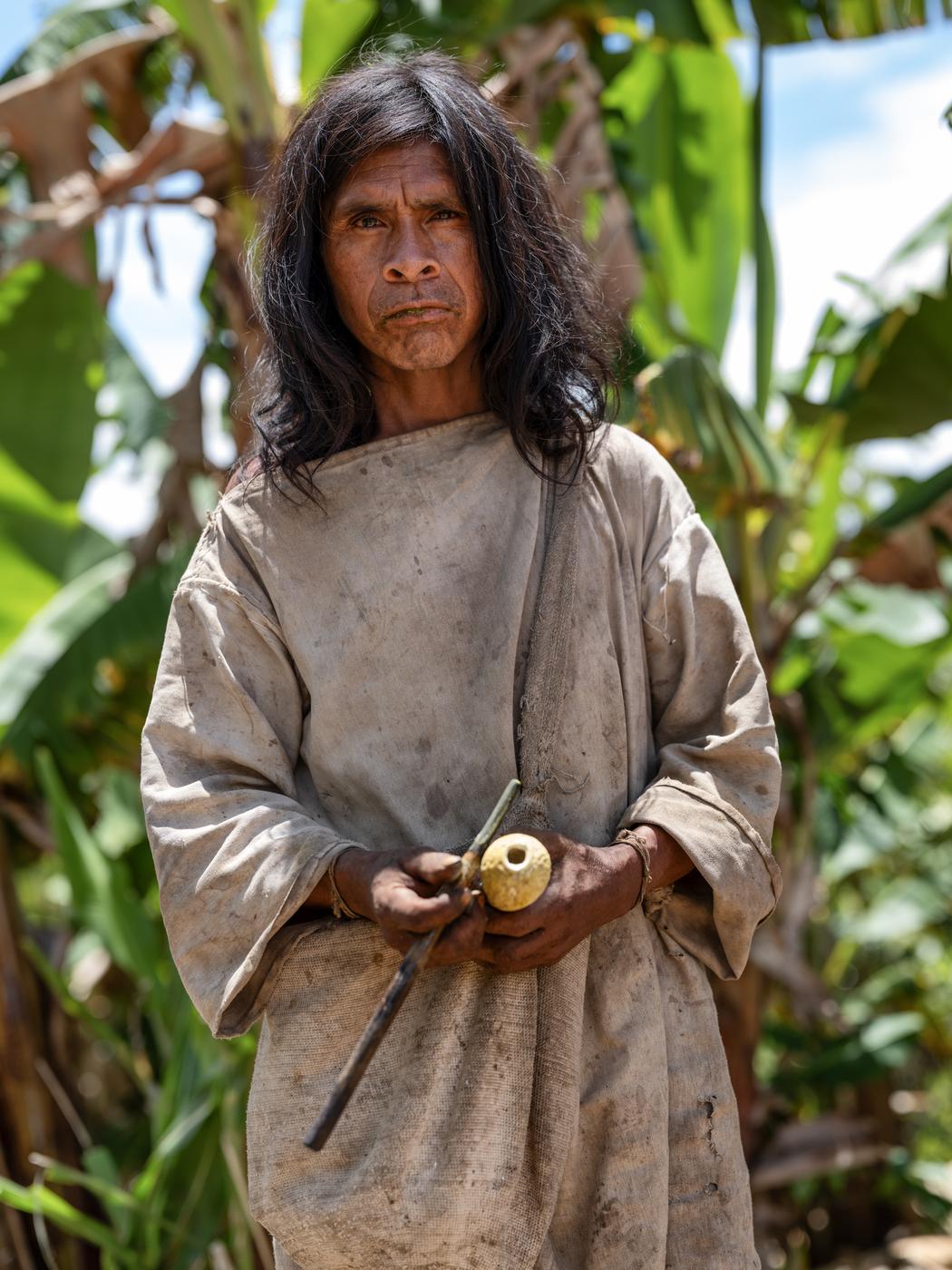
As a self-taught photographer, how did you develop your visual language, and which experiences influenced it most strongly?
It has a lot to do with my previous job as a police officer in criminal investigations. I was trained to observe closely, and by studying the work of documentary and environmental photographers, I gained valuable insights. Aside from my artistic studio portraits, I typically do not spend much time on post-processing.
 Christian Kieffer | Sarachui
After so many years of photographing people across cultures, how has this practice changed the way you see humanity – and yourself?
With tears in my eyes. I find myself questioning why people in the Western world often complain about less significant issues when I return home.
0 comments on “Christian Kieffer”