
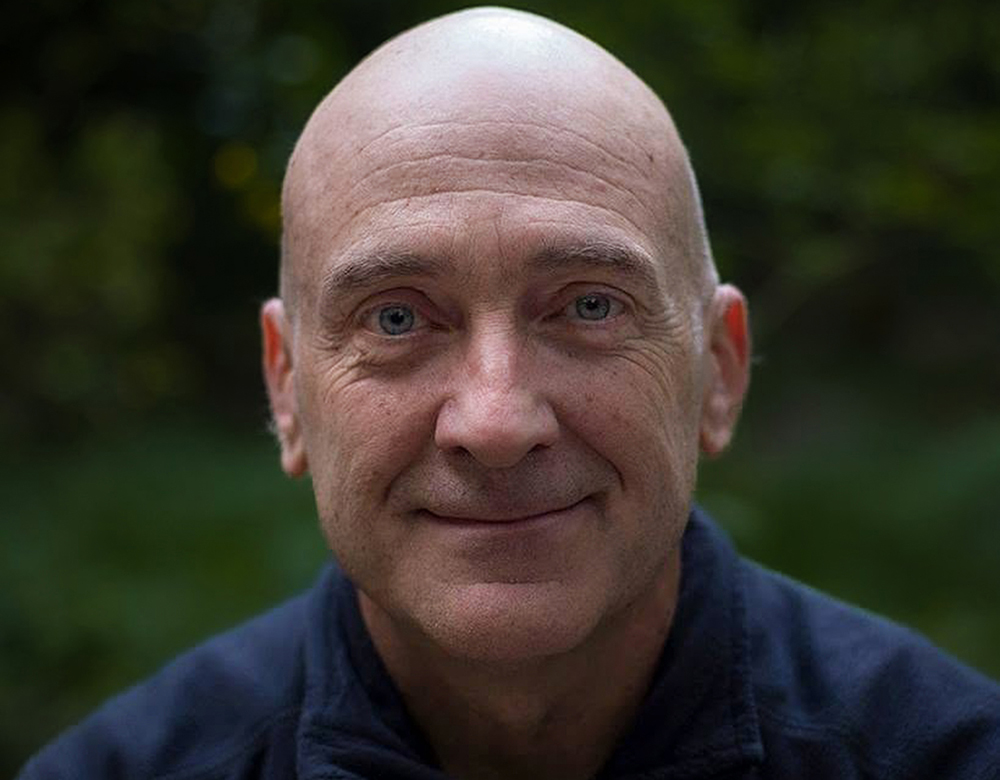
Your background includes cartography, visual perception, colour theory, photography, and psychotherapy. How have these different fields shaped the way you observe and photograph the world?
The first four fields reveal what I might call my lifelong obsession with the image. It is something I seem to have been born with. This inexplicable attraction first became evident when my mother took me to the cinema at the age of seven. I was so completely spellbound that, at the end of the day, they practically had to carry me out of the theatre so that they could close it.
I had fallen under the spell of the image, and that spell has remained unbroken ever since. First there was cinema and painting, and then—for several decades now—photography. What is remarkable is that the image revealed the central axis of my life. From a very early age, I was profoundly moved by the Fayum portraits, the paintings of El Greco, and the films of Andrei Tarkovsky. What drew me to them was their mysterious existential depth—the sense of entering a world that was not entirely of this world.
This is where psychotherapy enters the story. By psychotherapy, I mean a wide range of practices and approaches that led me onto an inner path: an exploration of who I truly am. They turned my attention inward, towards the very existential depth and presence that I had first recognised in those images.
I gradually came to understand that I do not photograph the world, as I once believed; I photograph the way I experience life. I give visual form to the mystery that I perceive existence to be.
Since then, image-making and inner life have remained engaged in a continuous, playful tango. I try to remain passionately available—without a predetermined purpose—to surprise, to emotion, and to wonder.
 Haris Kakarouhas | A Fragile Wonder
In A Fragile Wonder, you describe moments when the ordinary suddenly reveals an unexpected depth. How do you recognise such a moment, and what makes you decide to raise the camera?
From the very beginning of my creative life, I have never started with a project or with an idea that I wanted to construct. Instead, I have trusted the innocence of my eyes. Wherever my gaze came to rest in a moment of wonder, I would make a photograph and move on.
Only later did I understand that this process is, in essence, an act of recognition. I recognise in the world something that already exists within me. If it were not there, perhaps I would simply be unable to see it. This is why each of us perceives existence differently: each of us carries a different inner world.
This moment of inner resonance is what impels me to raise the camera; it is what allows the wonder to reveal itself. Yet, as the inner journey deepens, this is no longer simply an emotional response. It is the moment when our being—our inner, unconcealed truth—recognises its own reflection in the forms of existence. I do not consciously decide to raise the camera. The recognition itself makes the decision.
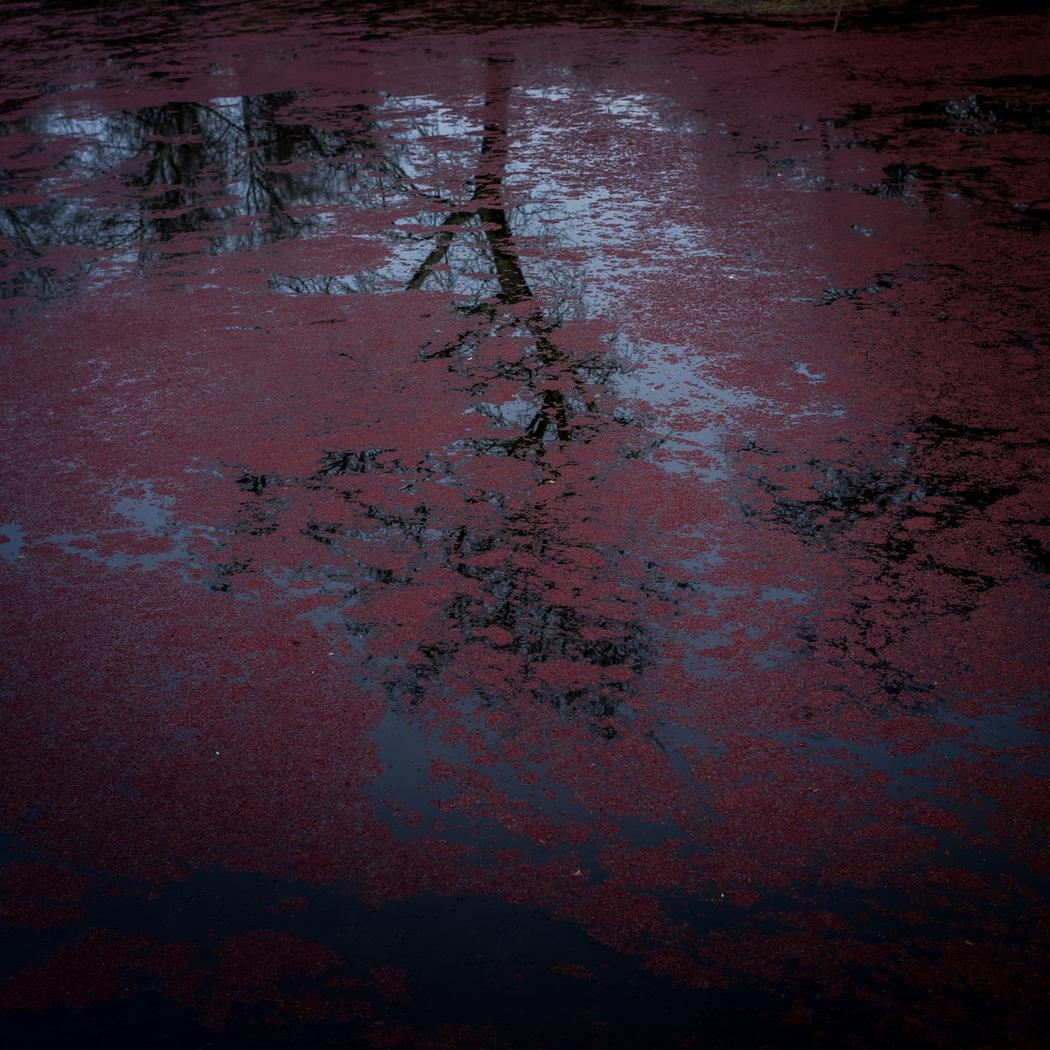
The series moves between human portraits and close observations of water, grass, stone, and earth. How did you arrive at this dialogue between the human body and the landscape?
This series began around the time I was completing my doctoral thesis, during a professional assignment for the Greek Ministry of the Environment. My task was to photograph the Greek natural landscape as part of a public environmental awareness initiative. Alongside the commissioned work, I also began making photographs for myself—a practice I continued in different parts of the world.
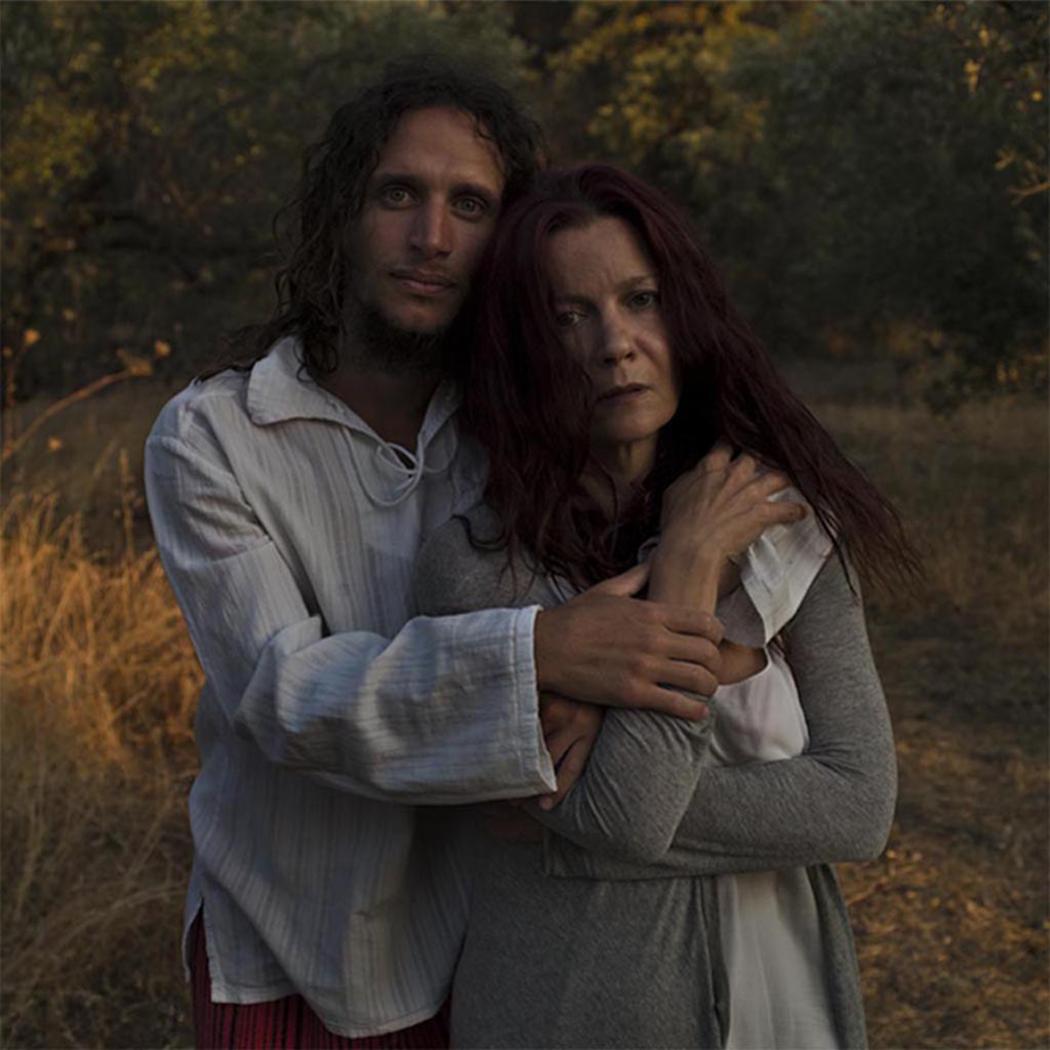
At the same time, I found myself photographing the people close to me—people who shared a similar inner search. I did not approach this as a new “project”; I photographed them simply because they were part of my life. Many of these encounters took place in natural surroundings, since the spiritual communities and schools I was connected with were often situated in nature.
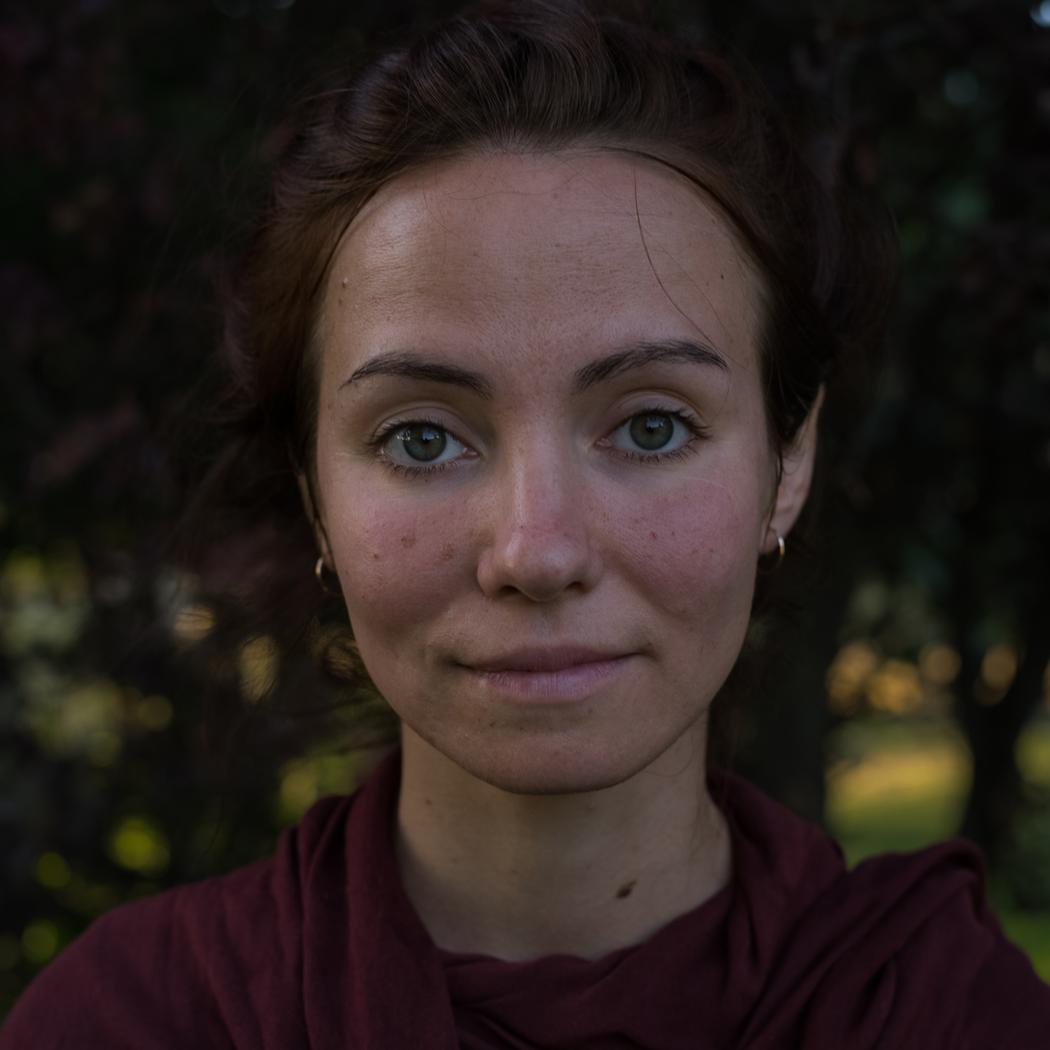
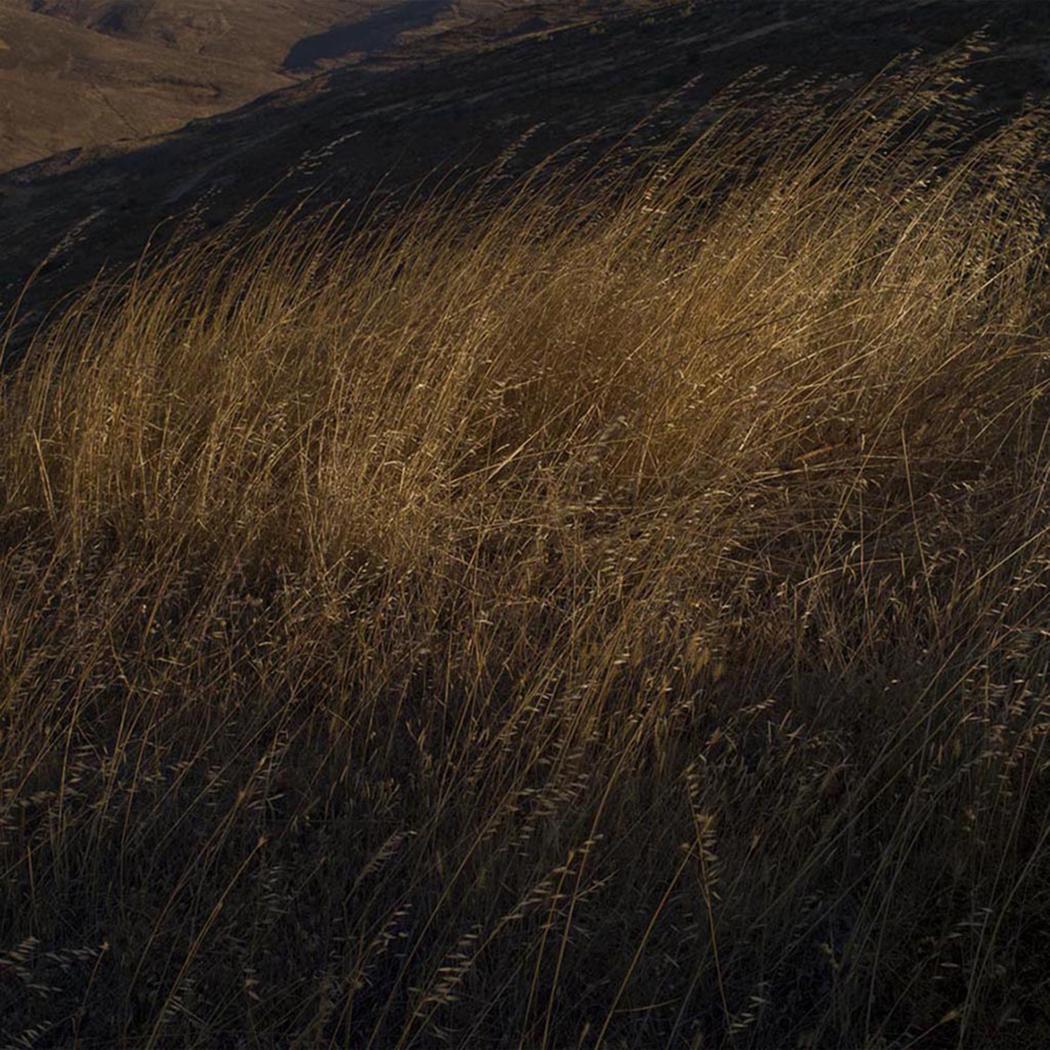
At some point, almost by chance, I noticed that certain portraits and landscapes formed natural diptychs. They seemed to share a common inner quality or emotional resonance. A person whose presence conveyed strength and solidity, for example, might find an unexpected counterpart in a rocky landscape. The body and the landscape appeared to mirror one another—not through superficial resemblance, but through a deeper affinity of presence.
This discovery led to the idea of a book composed of diptychs. The result was Natural Presence, published in 2018. I continued photographing these subjects, and in 2024 the work developed into the exhibition A Fragile Wonder. I felt that this title reflected the essence of the work more fully.
 Haris Kakarouhas | A Fragile Wonder
You write that a stone can carry the same weight as a human face. What kind of presence are you searching for in both people and natural forms?
What I encountered in the Fayum portraits and in the portraits of El Greco was something I longed to bring into photography. But I had no idea how this could be done. In everyday life, we rarely encounter people whose gaze possesses such depth. How could I evoke that gaze in someone I was photographing when I had no direct experience of what I recognised in those paintings? How could I bring the person’s essential truth to the surface? Would this be possible with someone I knew intimately, or perhaps with a complete stranger? And would the final image reveal that person’s truth, or would it merely be a projection of my own?
After making hundreds of portraits, I found a few that contained something of what I had been searching for. Yet that gaze appeared only when it chose to appear. It had nothing to do with gender, familiarity or social circumstances. The only essential condition was that I should be genuinely interested in the person before me. This allowed a spontaneous process of play, exploration, receptivity and empathy to unfold.
Through this inner journey, I discovered—and continue to discover—that the true person, the human being in their wholeness, emerges from the emptiness we encounter when we come face to face with our own deepest self. It is an emptiness that mysteriously becomes a womb of life.
This is the presence I search for, first of all, within myself. The act of photographing is, in essence, an invitation to enter this loving dimension of profound stillness. Like a therapeutic encounter, it sometimes happens quickly; at other times it requires patience, and sometimes it does not happen at all.
The same is true of all my photographs, because every photograph is an encounter with the other. A stone, a face, a reflection on water or a trace upon the earth may each reveal the same silent presence. In that moment, the distinction between the human being and the natural world becomes less important than the mystery they share.
 Haris Kakarouhas | A Fragile Wonder
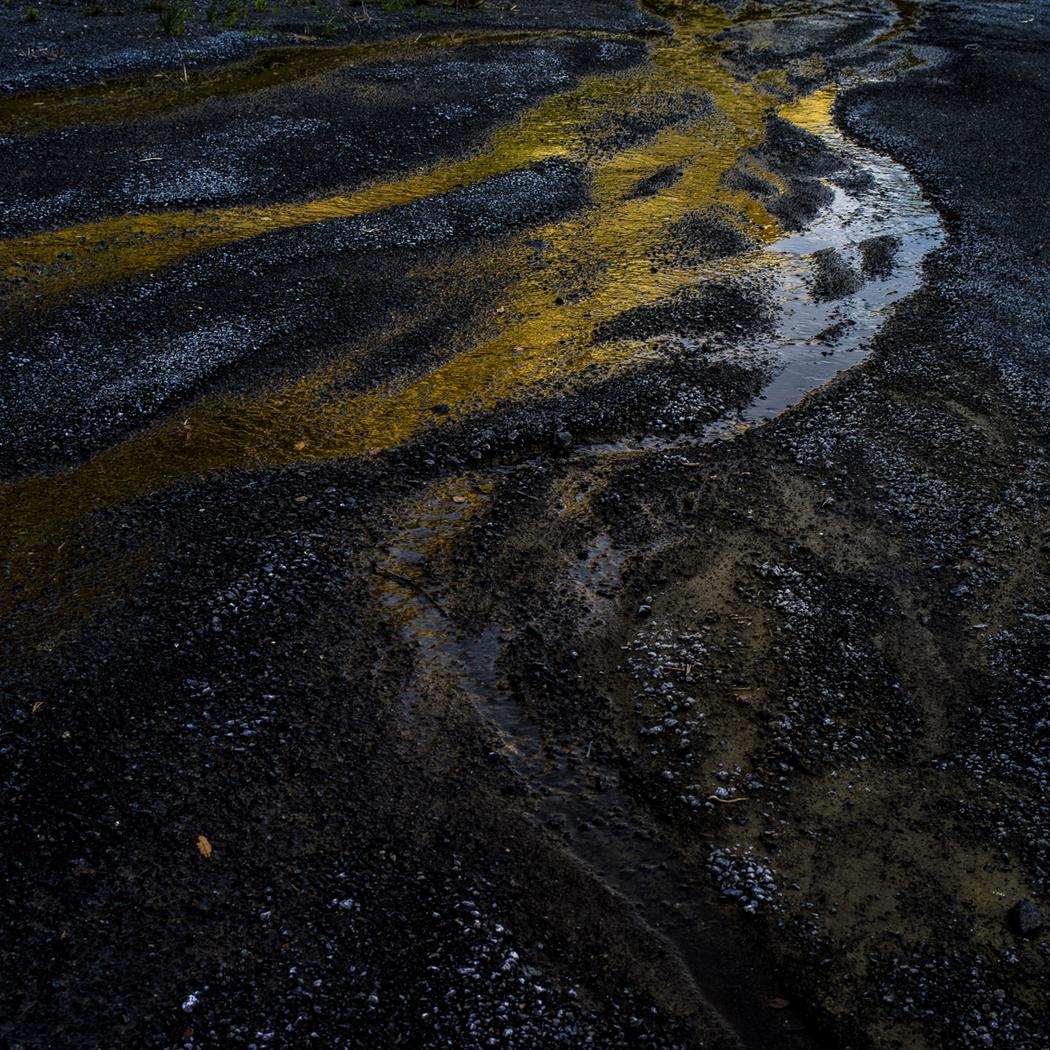
Several of your landscapes appear almost abstract, with reflections, textures, and traces becoming more important than a recognisable location. What role does abstraction play in your photographic language?
I did not arrive at these images through a preconceived plan or a clearly defined concept. They emerged gradually as the result of a photographic journey spanning more than thirty years, shaped by a continuous effort to approach what I understand as a truthful image.
Over time, my interest shifted from the subject itself to the act of seeing. I found myself searching for images stripped of everything unnecessary—free from embellishment, aesthetic mannerism, or any attempt to impress. Not images that describe or explain, but images that reveal. I am drawn to those moments when form begins to dissolve and the image returns to its material essence; when representation recedes and something more fundamental remains. Reflections, textures and traces interest me because they occupy a threshold: they still belong to the visible world, yet they are already beginning to free themselves from description.
Abstraction was never an objective in itself. It emerged naturally from this process—an attempt to remove everything that is not essential, until only the irreducible core remains. A search for the point where the image no longer refers to something beyond itself, but simply exists. There, perhaps, lies its deepest truth.
 Haris Kakarouhas | A Fragile Wonder
Your doctoral research focused on portraiture and the imaging of the self. How has your understanding of the “self” changed since completing that research?
My doctoral research grew out of the photographic work I made in Cuba between 2000 and 2002, which received the European Publishers Award for Photography in 2004.
During the following five years, I left my camera in a cupboard. In essence, I was searching for a deeper understanding of the photographic process. Why do I see in this particular way and not another? What does my work offer to the community? How do we define artistic value?
This search led me to complete a doctorate in photography, focused on portraiture and the imaging of the self, as well as to train as a therapist. Alongside my academic research, I studied various forms of art therapy and humanistic psychotherapy. Together, these paths gave me a more profound and personal connection to the act of making photographs.
When I began this research, I was still inclined to think of the self as something that could somehow be revealed and represented through the portrait. Gradually, I came to understand it less as a fixed identity and more as a presence—something that emerges when our familiar narratives, roles and defences begin to recede. Paradoxically, the deeper we move towards the self, the less solid and separate it appears.
The photographic process itself remains a spontaneous choreography governed primarily by rhythm. The fact that I now “know” what I am doing, or what I am searching for, is of relatively little importance, because photographing is inseparable from life—and life remains mysteriously unpredictable. The essential difference is simply that I am now a different human being.
For me, the word “therapist” does not describe someone who merely possesses a knowledge of therapeutic techniques. It describes someone capable of standing before another human being with complete receptivity and love. To do this, of course, one must first learn to stand in the same way before oneself.
What heals is not our knowledge or intervention, but the serene and loving dimension of emptiness. To encounter it is, in itself, a blessing.
 Haris Kakarouhas | A Fragile Wonder
The title A Fragile Wonder suggests that the experience you are describing can easily disappear. Is photography a way of preserving such moments, or does the photograph become an entirely new experience?
Photography does not preserve such moments in the sense of keeping them intact. The original moment disappears, as every living moment must. Yet through the photographic act, something new comes into being—something that has an existence of its own, independent of the objective event from which it emerged.
I experience a photograph as a living vessel of energy and meaning. It carries within it the quality of presence—the inner state of the person pressing the shutter at that particular moment. Its meaning, however, is not fixed by the photographer. It reveals itself anew when a viewer truly connects with the image, not merely through intellectual interpretation, but through a deeper and more immediate recognition.
In this sense, the photograph is neither a record nor a container of the original experience. It is a new field of experience: a meeting place between the presence embedded in the image and the inner world of the viewer.
Perhaps what is fragile is not wonder itself, but our capacity to remain available to it. The world does not cease to be miraculous; we cease to notice it. Photography, for me, is both a practice of attention and an act of transformation. A transient moment passes through the photographer and becomes an image with its own autonomous life—an image capable of allowing wonder to be revealed again, differently, in another human being.
0 comments on “Haris Kakarouhas”