
What first drew you to photographing architecture, and how did your interest in monumental spaces develop alongside your attention to everyday street life?
From a very young age, I’ve always been drawn to monumental and historically significant religious structures. Walking through a grand entrance and being surrounded by a structure built hundreds of years ago never ceased to amaze me. I was fascinated by how these extraordinary spaces were constructed without modern technology, and by their sheer scale, grandeur, artistic detail, and symmetry.
What interests me just as much is the role these structures play in everyday life. They are gathering places where people from different backgrounds and socioeconomic circumstances come together under one roof. Despite their monumental scale, they are deeply connected to the human experience.
This relationship between architecture and people has shaped the way I see and photograph the world. While monumental structures draw my eye through their scale and permanence, everyday street life offers a more immediate, candid perspective on how people inhabit and interact with their surroundings. I’m interested in the contrast between the enduring presence of architecture and the fleeting, spontaneous moments of human life that unfold within and around it.
In your interior photographs, arches and columns seem to expand around the viewer. Could you describe how you move through a space to find the vantage point that produces this effect?
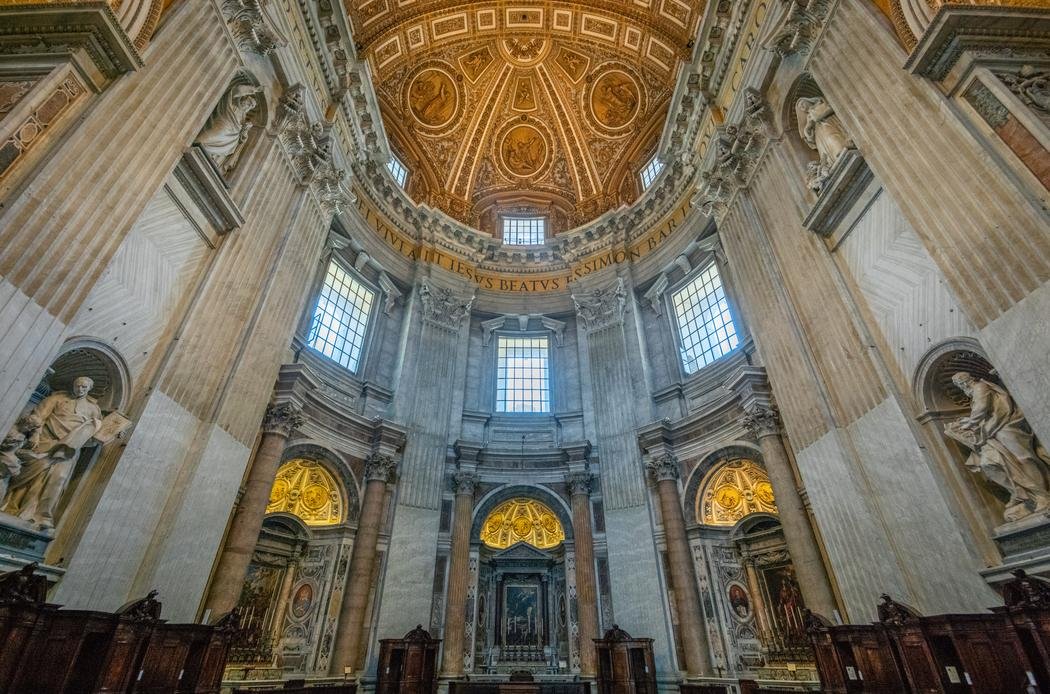
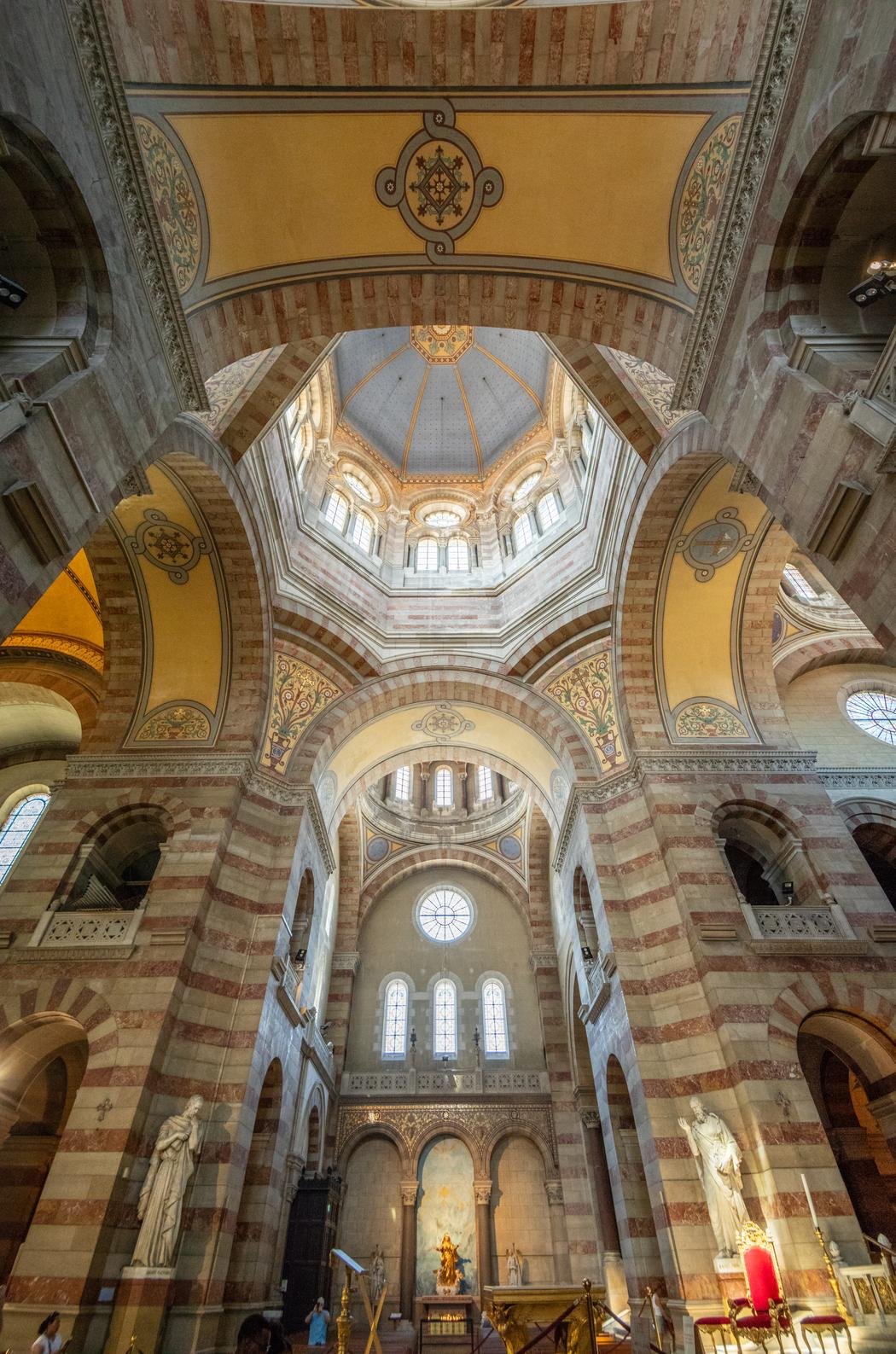
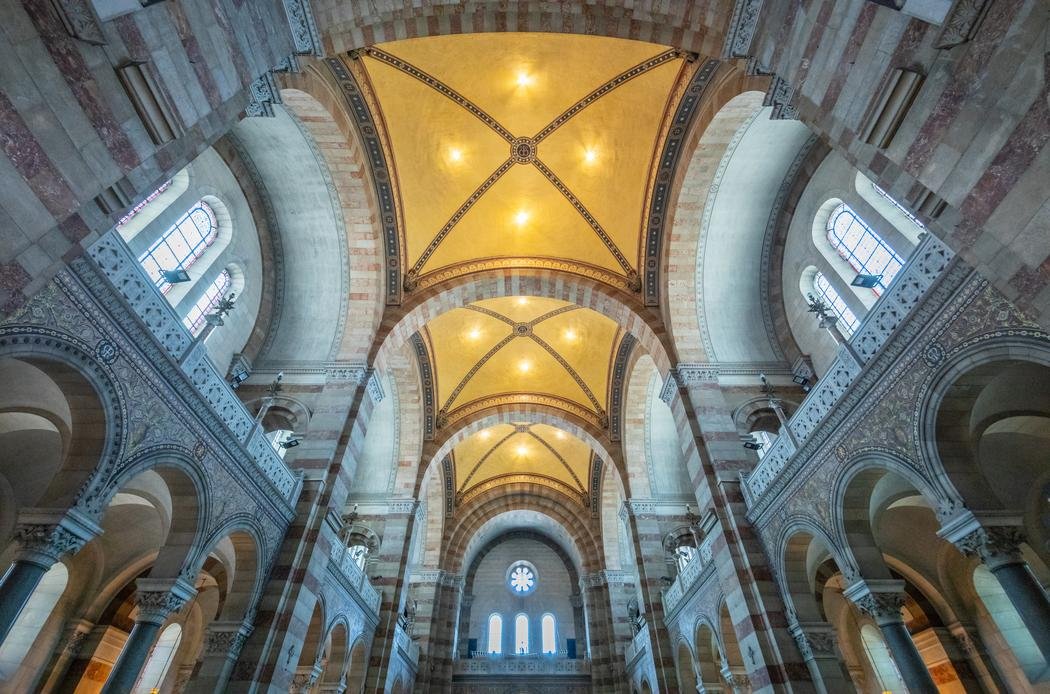
When we enter a very large interior space, our field of vision can only take in so much at once. We must turn our heads to the left or right, or look up and down, to gradually absorb the full extent of what surrounds us. What I wanted to achieve through my photography was to encapsulate that entire experience in a single image, allowing the viewer to take in the space as a whole.
To do this, I would identify a central point within the space and tilt my ultrawide-angle rectilinear lens upward or downward from the horizontal, capturing the architecture from different perspectives. This technique creates a distinctive visual rendering in which columns appear to converge, collapse, or expand, depending on the direction and degree of the tilt. The resulting image goes beyond simply documenting the architecture; it offers a way of experiencing the space through a single frame, emphasizing its scale, geometry, and immersive qualities.
What does working with a Leica M and wide or ultra-wide lenses allow you to express, and what challenges does this combination introduce into your photographic practice?
I began working with a digital Leica M system when Leica introduced the M9 in 2009. Before that, I had experimented with crop-sensor cameras and prime lenses, but I struggled to achieve the look I envisioned, largely because ultra-wide-angle rectilinear lenses were relatively scarce at the time. The full-frame sensor of the Leica M9, combined with the availability of wide and ultra-wide manual-focus prime lenses in the Leica M mount, gave me the essential tools to explore the type of architectural photography I wanted to pursue.
I was also drawn to the camera’s compact form factor and the rangefinder experience. Using manual-focus lenses encourages a more deliberate and considered approach to photography. My primary lenses for these types of images are the Voigtländer 15mm f/4.5 Super Wide-Heliar Aspherical III and the Voigtländer 28mm f/2 Ultron Vintage Line Aspherical.
One of the main challenges is finding the precise central vantage point when photographing a façade or a large interior space. Once I establish that position, I need to ensure that the camera remains level, even when tilting the lens upward or downward. Maintaining this alignment is crucial to achieving symmetry and controlling unwanted distortion, particularly when working with an ultra-wide-angle rectilinear lens.
Another challenge is working in dimly lit interiors, where the relatively slow maximum apertures of my lenses can limit the available light. I compensate for this through careful exposure and post-processing, which allows me to bring out the architectural details while preserving the atmosphere of the space.
Ultimately, I enjoy the tactile and unhurried nature of this process. Working with a rangefinder and manual-focus lenses in a serene, quiet environment encourages me to slow down, observe my surroundings, and become more deliberate in how I compose each image. For me, that contemplative process is as much a part of the experience as the photograph itself.
In several images, a sense of symmetry coexists with strongly converging lines. How do you decide which aspects of a building’s geometry to emphasize and how far to push the sense of spatial distortion?
The altar is almost always the primary focal point of my compositions. As you approach it, you pass between massive columns, often arranged in opposing pairs that establish a natural sense of symmetry and create strong converging lines leading the eye toward the altar. I pay close attention to the supporting arches and the domes above, as these architectural elements contribute to the overall geometry and balance of the space.
Symmetry is central to my approach. The columns, arches, and domes need to work together in a harmonious composition, with the main dome ideally aligned with the central vantage point. If a particular viewpoint fails to bring these elements together symmetrically, I continue searching until I find a position that does.
The final consideration is the distance from the altar. Ultra-wide-angle lenses have a distinctive way of rendering space: rather than compressing distances, they exaggerate the sense of depth and make elements farther away appear more distant. By carefully choosing my position, I use this characteristic to create an expansive view that draws the viewer into the architecture while emphasizing the scale and grandeur of the altar and its surroundings.
Ultimately, it is the relationship between vantage point, symmetry, and spatial depth that determines the success of an image. When these elements come together, the photograph can convey not only the architectural details but also the feeling of standing within the space itself.
Your interior photographs bring together golden ceilings, cool stone, and bright window light. How do your choices during shooting and editing shape the emotional atmosphere of these spaces?
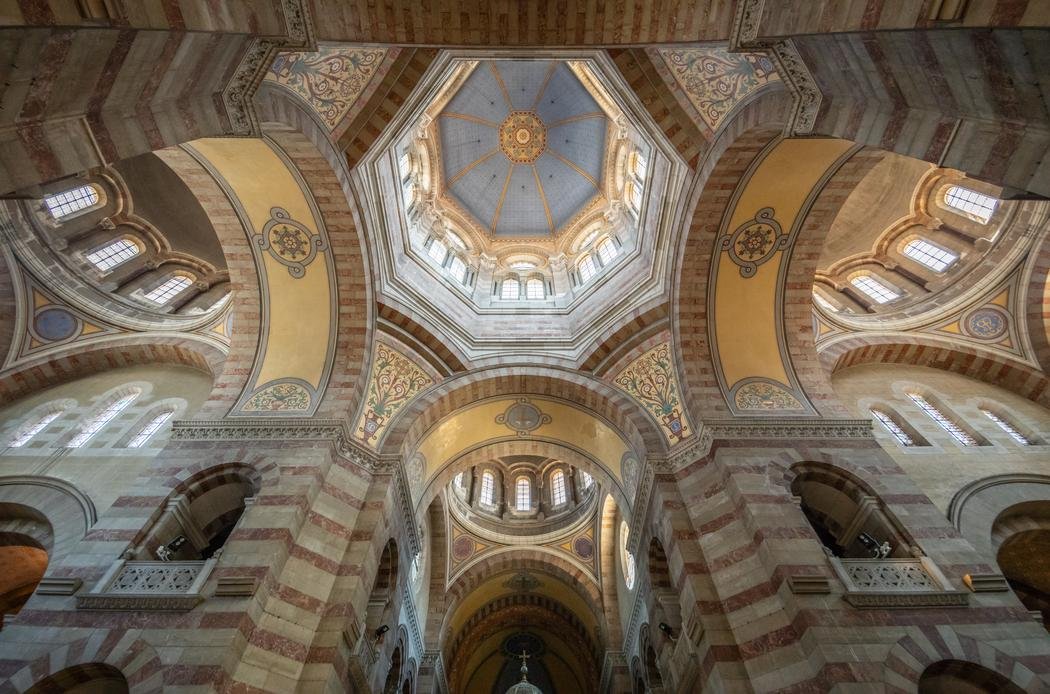
Gold motifs, gilded domes, and frescoes incorporating gold elements naturally draw me toward color photography. The interplay of stone, glass, metal, and precious materials such as gold provides a rich visual canvas to work with. These materials interact with light in different ways, creating variations in texture, tone, and color that bring the architecture to life.
Light is equally important in shaping the atmosphere of a space. Whether it comes from interior lighting, natural light entering through windows, or the filtered colors of stained-glass windows, it has a profound effect on how the architecture is perceived. However, the challenging, often low-light conditions of these interiors can make accurate metering difficult, particularly when working with ultra-wide-angle lenses.
I photograph handheld, typically using apertures between f/8 and f/11, shutter speeds around 1/60th of a second, and ISO settings between 1600 and 3200. I generally underexpose by approximately one stop to help manage noise and preserve highlight detail, particularly in areas containing bright artificial lighting or light filtering through windows.
In post-processing, I then carefully increase the exposure by around one to one-and-a-half stops, reduce highlights, and lift shadows to reveal architectural details that might otherwise remain hidden in the darker areas of the frame. This process allows me to balance the different light sources and bring out the richness of the materials, colors, and decorative details.
The final image often presents an interior that appears considerably more illuminated than it did to the naked eye. In a sense, I am interpreting the space rather than simply recording it, revealing details and relationships between light and architecture that might not be immediately apparent to someone standing inside. My aim is to convey the grandeur and intricacy of these spaces while preserving the atmosphere that makes each one unique.
When photographing people in the street, how do you balance your instinct for geometric composition with the need to respond to a fleeting expression or gesture?
When photographing everyday street life, I look for ordinary activities unfolding within a setting where some form of symmetry or visual balance presents itself. This balance can emerge through the placement of objects within the frame, the arrangement of parked cars, or the relationship between buildings of different sizes and colors. Even the spacing between people going about their daily routines can become an important compositional element.
For me, the visual aesthetic lies in how these different elements interact within the frame. I’m interested in finding a sense of order and harmony in scenes that are otherwise spontaneous and constantly changing. The challenge is to recognize these relationships as they unfold and capture them in a way that feels both natural and visually balanced.
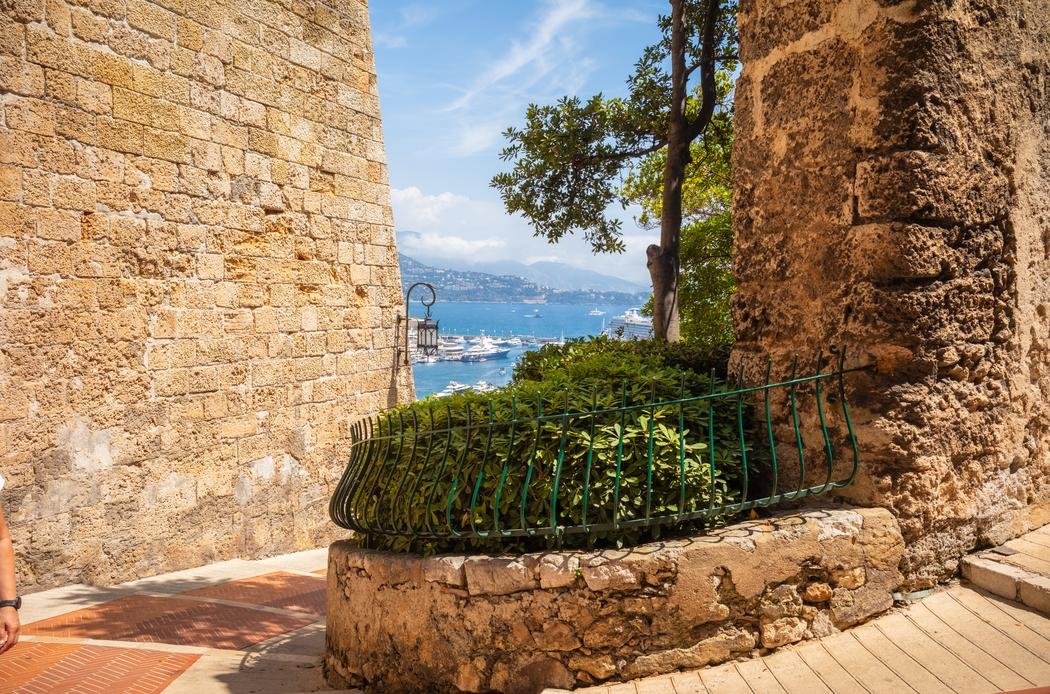
I tend to photograph from chest or waist level, sometimes adopting an even lower vantage point. Combined with wide-angle lenses, these perspectives allow me to incorporate more of the surrounding environment and create a greater sense of space. They also offer a different way of seeing familiar street scenes, placing people and everyday objects within a broader architectural context.
Ultimately, my approach to street photography shares the same principles as my architectural work: perspective, symmetry, spatial relationships, and the careful arrangement of elements within the frame. The difference is that, in street photography, these relationships are often fleeting, and I have to recognize and capture them in the moment.
When you bring architecture, street portraits, and animal encounters together in a body of work, what connections guide your selection and sequencing of the photographs?
For me, the essence of photographing a destination lies in creating a cohesive portrait of a place through my own perspective. When bringing architecture, street portraits, and animal encounters together, I look for the connections that reveal the character of the environment and the relationships between its different elements.
Architecture provides the physical and cultural framework of a place, while street portraits capture its human rhythm through people going about their everyday lives. Animal encounters introduce another dimension, prompting me to consider how wildlife inhabits these spaces and coexists with human life. I am equally drawn to everyday objects and overlooked details, particularly the way natural light can transform something ordinary into an evocative image.
In selecting and sequencing my photographs, I look for a visual or emotional thread that allows these seemingly distinct subjects to speak to one another. A photograph of a street may establish a sense of place, a portrait may reveal its human character, and an encounter with an animal may offer a different perspective on the same environment. I am interested in the contrasts and quiet connections between these moments, whether expressed through light, composition, movement, or a shared sense of atmosphere.
Ultimately, my aim is to create a visual narrative that moves beyond documenting individual subjects to convey the experience of being in a place. By bringing architecture, people, animals, and everyday details into dialogue, I hope to reveal a destination as a living, interconnected environment, with each photograph contributing a different perspective to the larger story.
Together, these elements form a layered narrative of a place, one that goes beyond its visual appeal to capture its essence, character, and the stories that make it unique.
0 comments on “Sadrettin Ozkan Akman”