

She is currently a Marie Skłodowska-Curie Global Fellow, conducting a project on commodified intimacy and gender performativity in contemporary Japan, with a specific focus on female/female sexual and emotional commodified intimacy. Her visual work is deeply informed by her academic research and seeks to translate ethnographic insight into poetic, multilayered imagery. Marta’s personal photo exhibition Dansō?! What is dansō?, based on her research into dansō escorting culture (female-to-male crossdressers who perform a male identity in both daily life and in their work as non-sexual escorts for a female clientele) has been displayed three times in Italy and once in Japan. Her photographs have also been exhibited at Liverpool’s Open Eye Gallery, and her virtual exhibition Yūkaku-Love District, a visual spin-off from her Marie Curie research on commodified intimacy, is accessible online via Artsteps: Yūkaku Exhibition.
Project Statement
Tokyo x Holga: Echoes of a Elsewhen
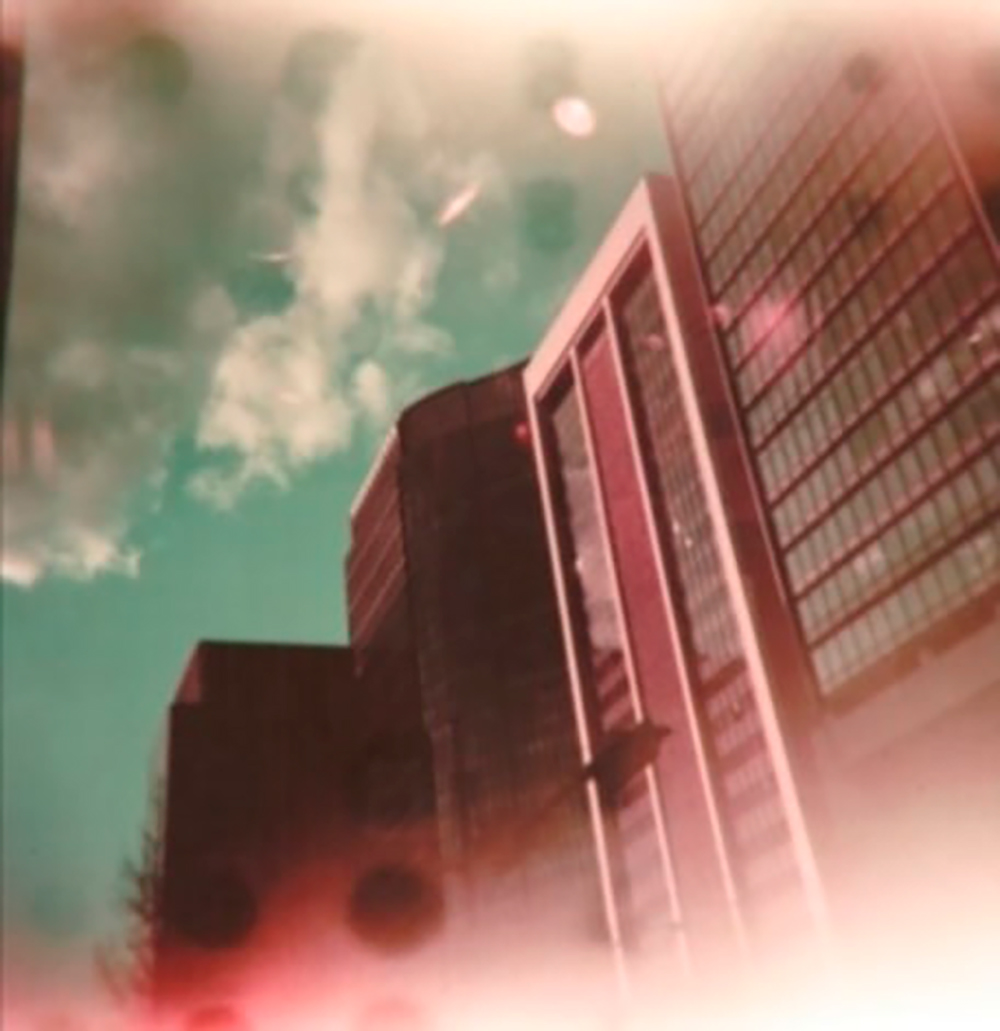
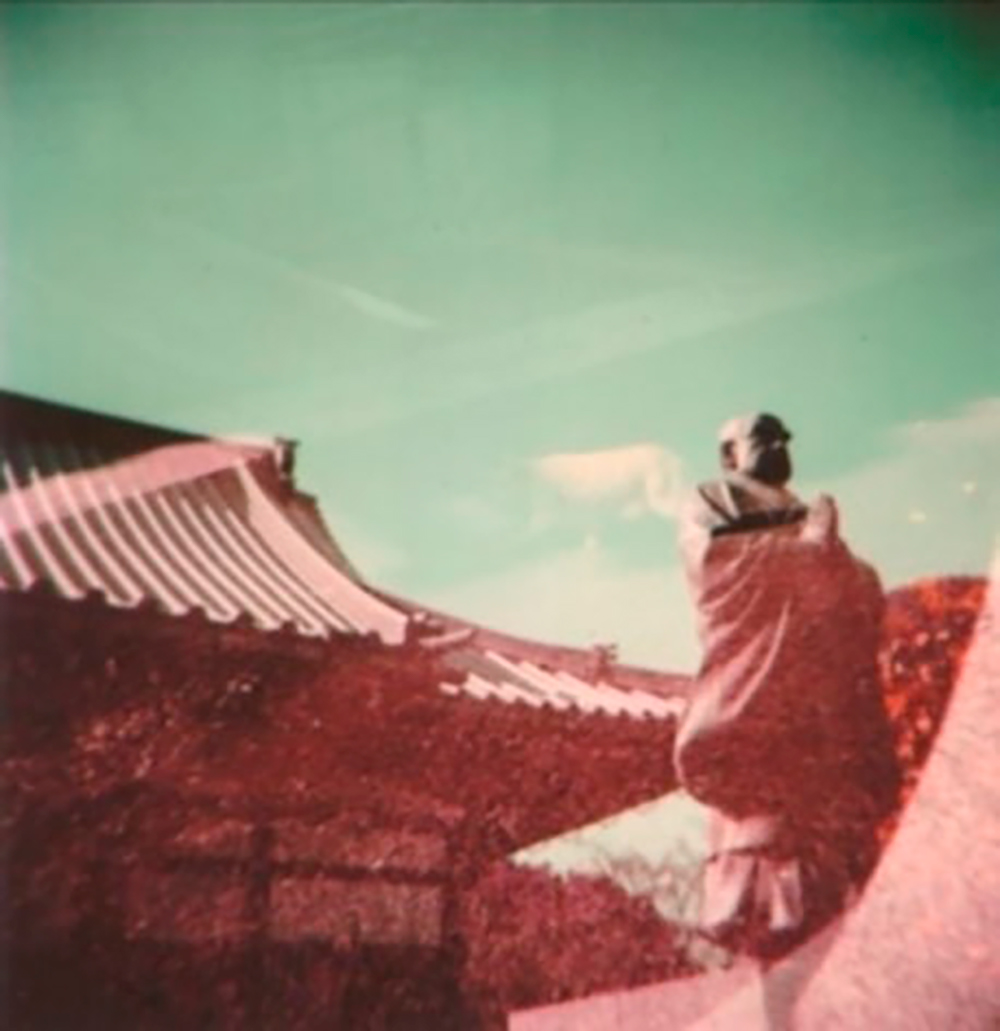
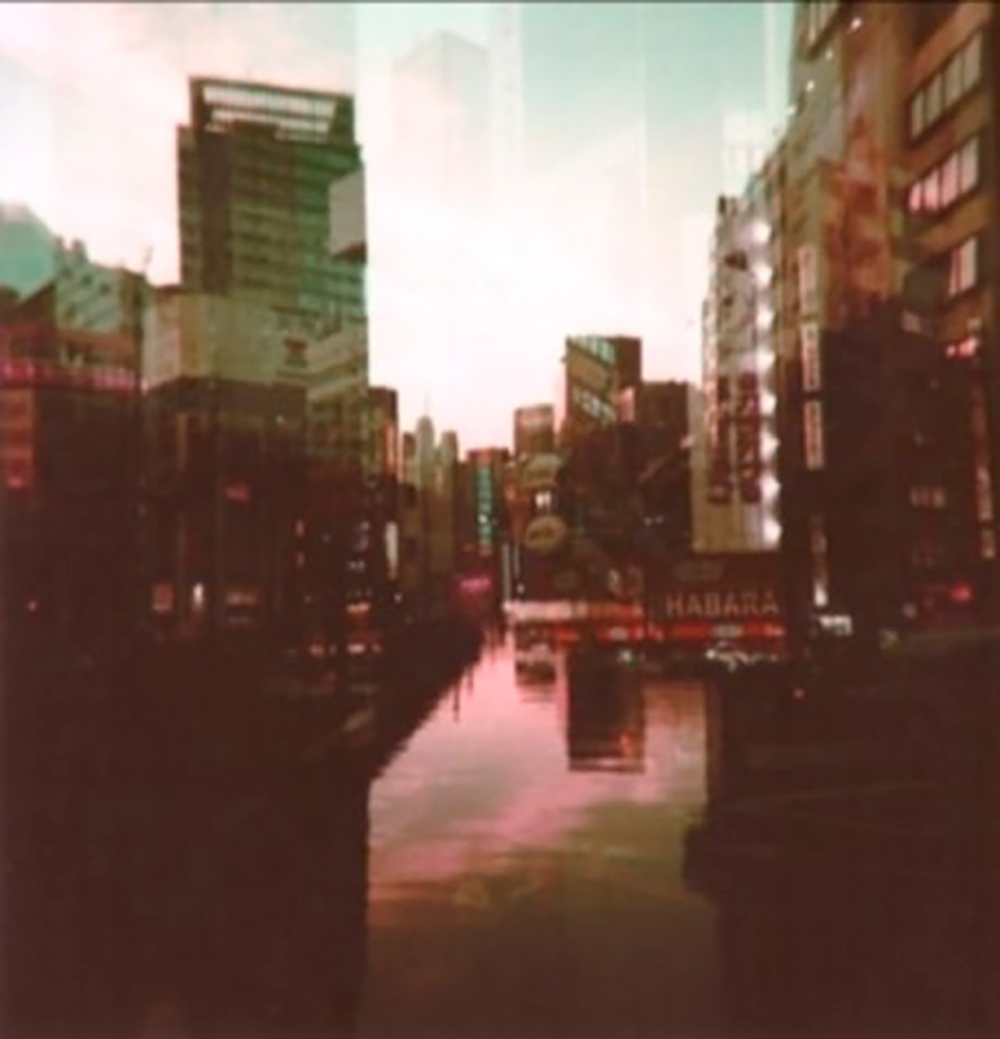
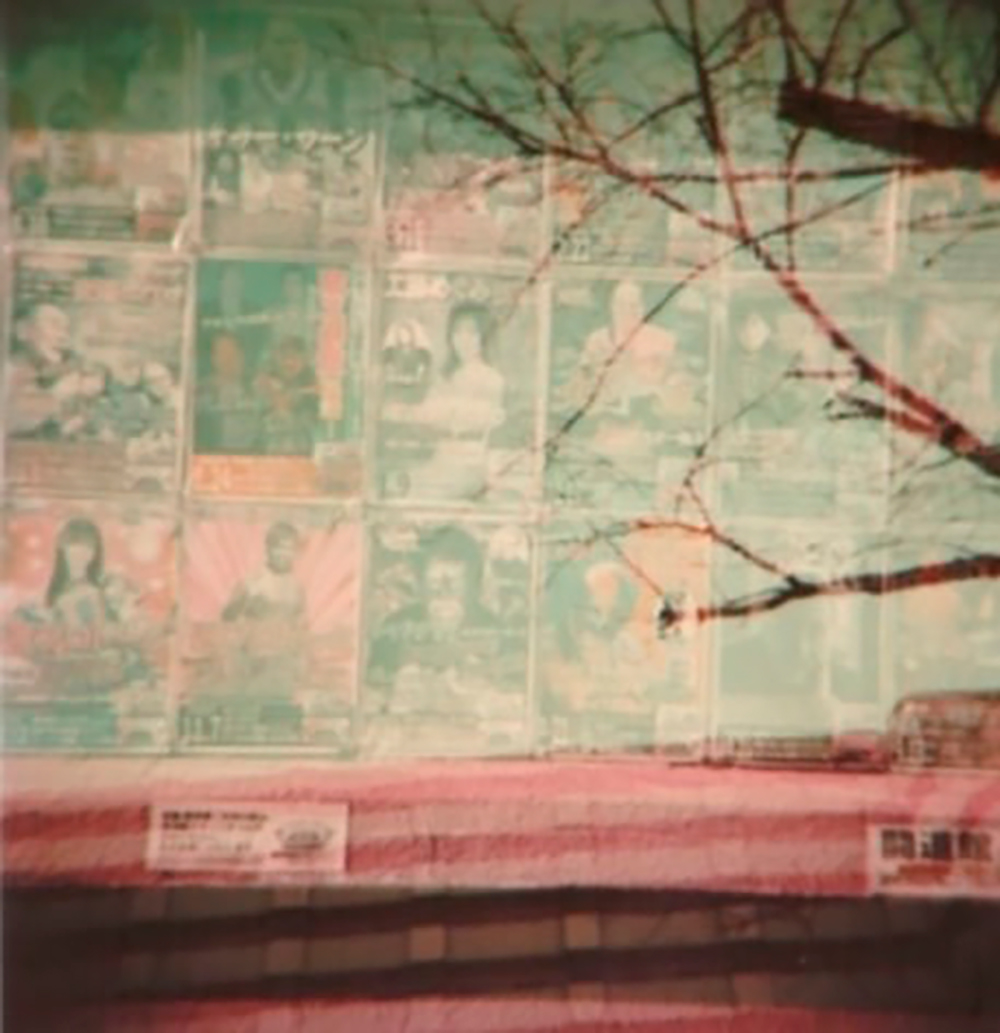
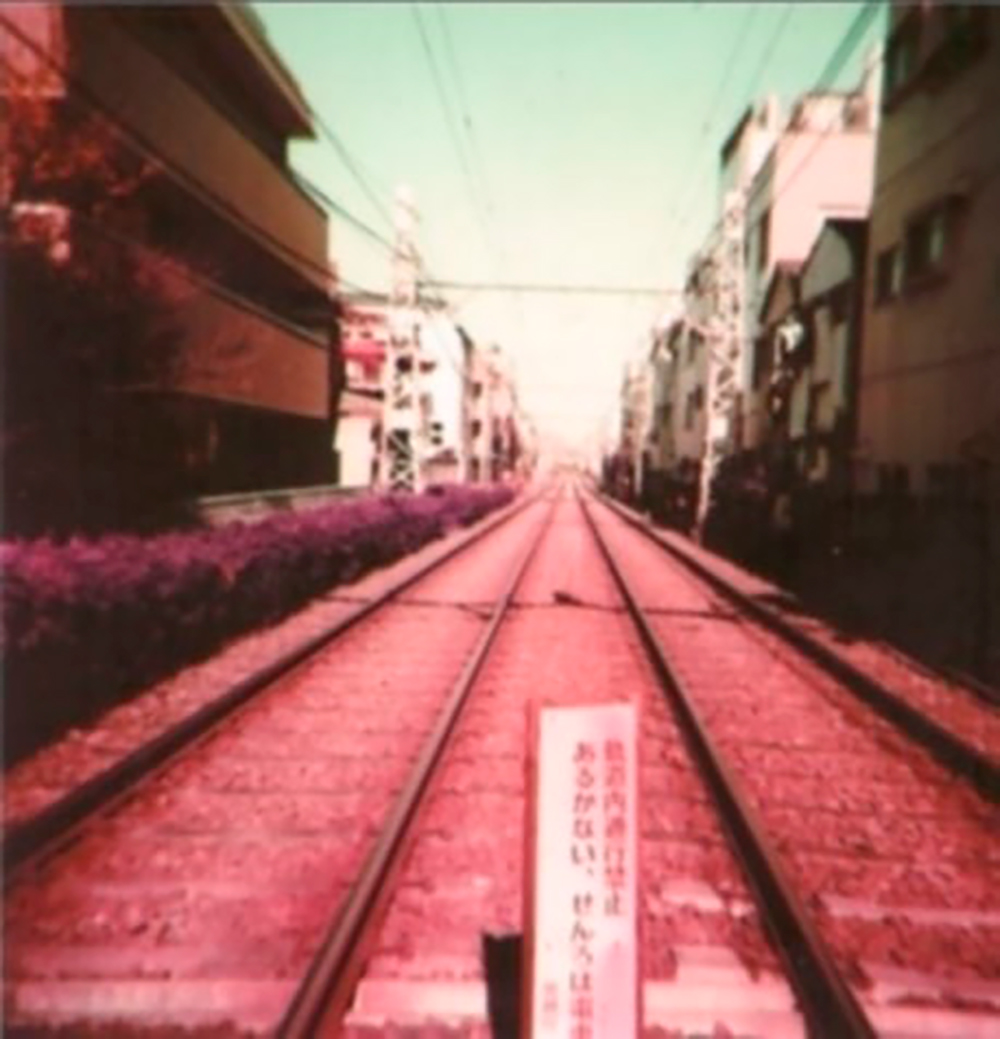
In this series, I explore the ever-shifting rhythms of Tokyo through the plastic lens of a Holga 120, using a Lomochrome Purple Petillant film and double exposure as tools to read, layer, and reimagine the city’s flow. This series is rooted in a desire to capture the temporal dissonance of urban life, where speed, memory, and nostalgia constantly collide. The choice of Lomochrome Purple, with its surreal hues and dreamlike tonality, allows Tokyo’s hard lines and modern surfaces to melt into something softer and melancholic, offering me dreamy palettes and vanishing layers. The film is hard to find, which makes using it feel even more special. Buildings, signs, and the sky blur into one another through the double exposure technique, creating ghostly images that echo both the permanence and the ever-changing soul of the metropolis. What is concrete becomes ethereal; what is momentary gains the illusion of depth and duration. Using a medium-format toy camera known for its imperfections, vignetting, and soft focus, I embrace the unpredictability of analog photography to resist the precision of digital urban representation. This work consciously resists the dominant aesthetic of “cyberpunk Tokyo”, a visual trope saturated with digital manipulation, neon hyperreality, and dystopian futurism. Instead, I offer a counter-narrative: one that embraces softness, imperfection, and the tactility of analog photography. These images are entirely unedited, created in-camera without digital post-production. The Holga becomes my accomplice in channeling the city’s unconscious; it is a tool for sensing rather than recording.
This body of work is an attempt to grasp the elusive pulse of Tokyo not as a single narrative, but as a choral story of time, light, and movement. I want to convey the idea that the city is not frozen in these frames; it flows through them, like a past that never fully settles and a future that always arrives slightly out of sync. Rather than documenting Tokyo as a spectacle of technological excess, I aim to evoke its moods: its hidden quiet, its layers of presence and absence, its pulse beneath the surface. Having lived in Tokyo at different times in my life, for more than five years in total, I envision the city not as a sleek sci-fi set but as an affective landscape: intimate, slow, perhaps eerie. A place of encounter between the fleeting and the enduring.
0 comments on “Marta Fanasca”