
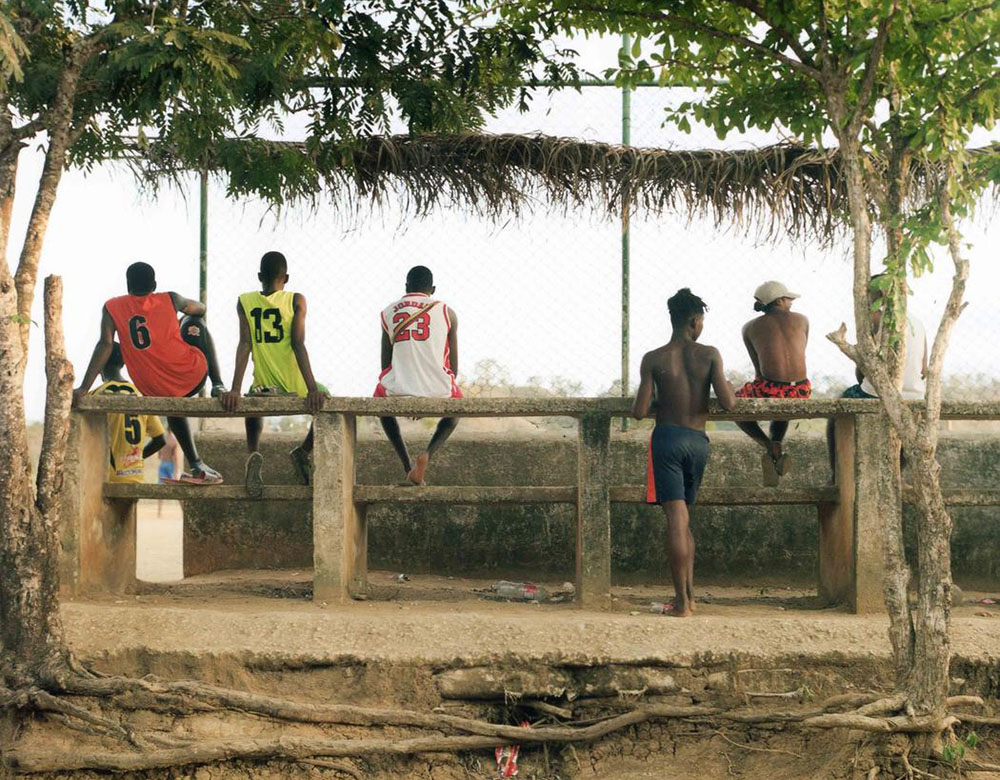
Your practice is deeply rooted in analog photography. What does working with film and the darkroom give you that digital photography does not?
Analog photography lies at the heart of my practice, as it exists at the intersection of art and craftsmanship. It involves the acquisition and application of technical knowledge, allowing significant space for experimentation, error, and chance, which become essential elements of the creative process.
Analog photography also offers a richness of color, texture, and emotional depth that digital photography cannot replicate in the same way. Each image bears the trace of gesture and time, giving it a unique and singular quality.
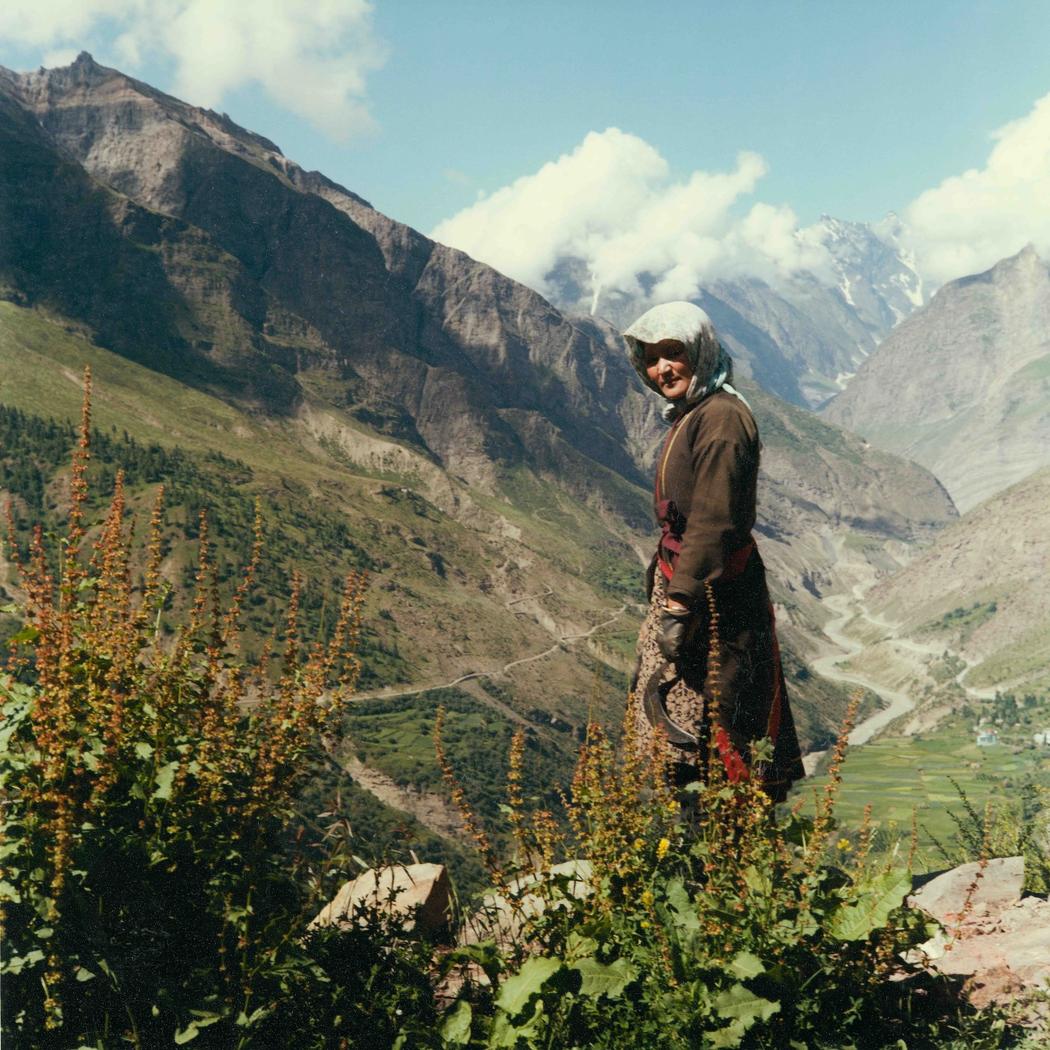 Nicolas Lutzius | The nomads of Ladakh | 2015
You work with a wide range of formats — from medium and large format cameras to Polaroid. How do you decide which camera or format is right for a particular moment or place?
I work with a variety of formats, including the Rolleiflex, the 4×5 large-format camera, and Polaroid. Each of these tools offers a distinct relationship to time, gesture, and image-making. I use them intuitively and spontaneously, guided by my mood and creative impulse rather than by a predetermined method. This freedom allows each format to become an extension of my emotional and artistic state, influencing both the way I photograph and the images that emerge.
Your year-and-a-half journey across India on a Royal Enfield seems to have been a turning point in your artistic path. How did this slow, immersive way of traveling change your relationship with time and observation?
Traveling through India for a year and a half, and covering more than 24,000 kilometers on a Royal Enfield, allowed me to push beyond my own limits, both physically and creatively. This long journey led me to remote and sometimes hard-to-reach territories, encouraging me to step off the beaten path and encounter unexpected places, faces, and situations.
This extended immersion taught me to slow down, to wait for the right moment, and to embrace spontaneity in the act of photographing. Confronting for such a long time a country of immense cultural, visual, and human richness, shaped by an omnipresent sense of chaos, deeply nourished and stimulated my creativity. This experience transformed my gaze, strengthened my intuition, and has had a lasting influence on the way I conceive images and my artistic process
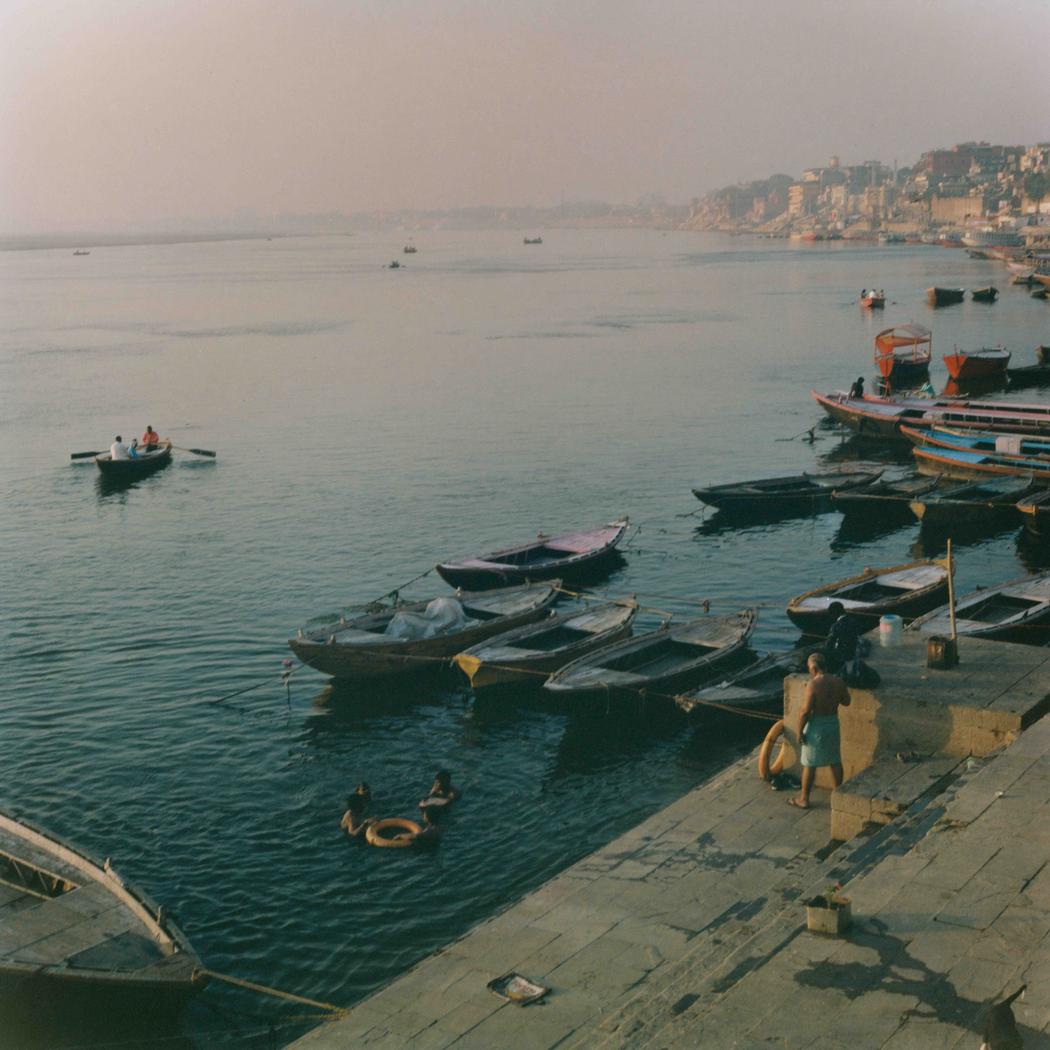 Nicolas Lutzius | BeěNareěS | 2022
You mention a search for “raw emotion” in your work. How do you approach photographing people and places in a way that remains respectful while still emotionally honest?
When taking photographs, I rarely ask for permission, as I seek above all to capture spontaneity rather than posed images. For me, these represent two different ways of approaching photography. This approach allows me to capture more sincere moments, grounded in reality and in the present moment.
So far, I have never encountered any particular issues, as I have always worked with respect: respect for the spaces I move through, local customs, and the people I photograph. This constant attentiveness to others is essential to my practice and shapes the way I construct my images.
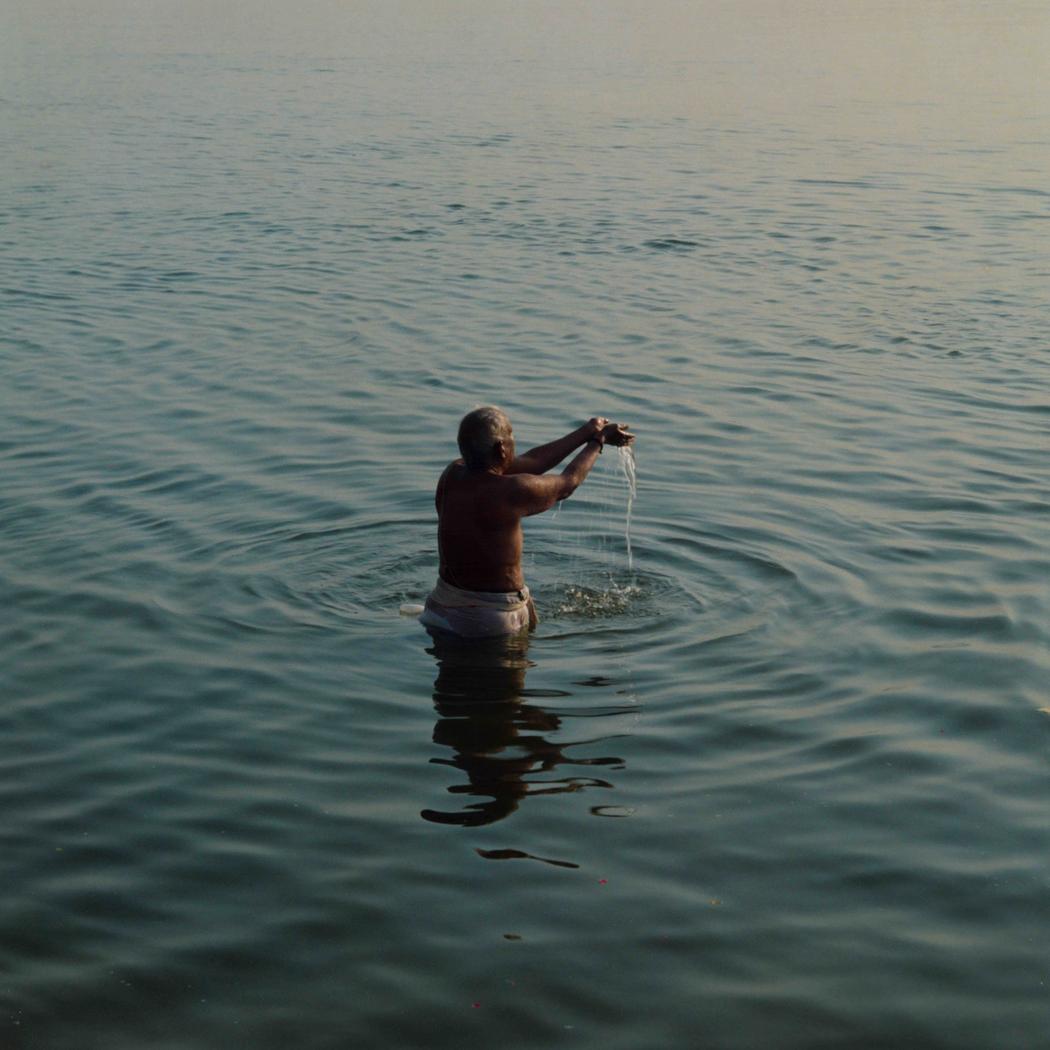 Nicolas Lutzius | Ceremonie | 2022
Traveling through regions such as the Himalayas, Varanasi, southern India, and the “Seven Sisters” area exposed you to very different cultures. How do you avoid falling into exoticism when photographing unfamiliar places?
I hardly ever take photographs in Europe or the United States, as these environments do not inspire me. What truly interests me is adventure—the discovery of new places, with customs and ways of life different from my own. My work involves confronting the other, observing, and enriching myself through diverse perspectives, ways of thinking, and ways of living. It is this encounter with human and cultural diversity that nourishes my artistic practice.
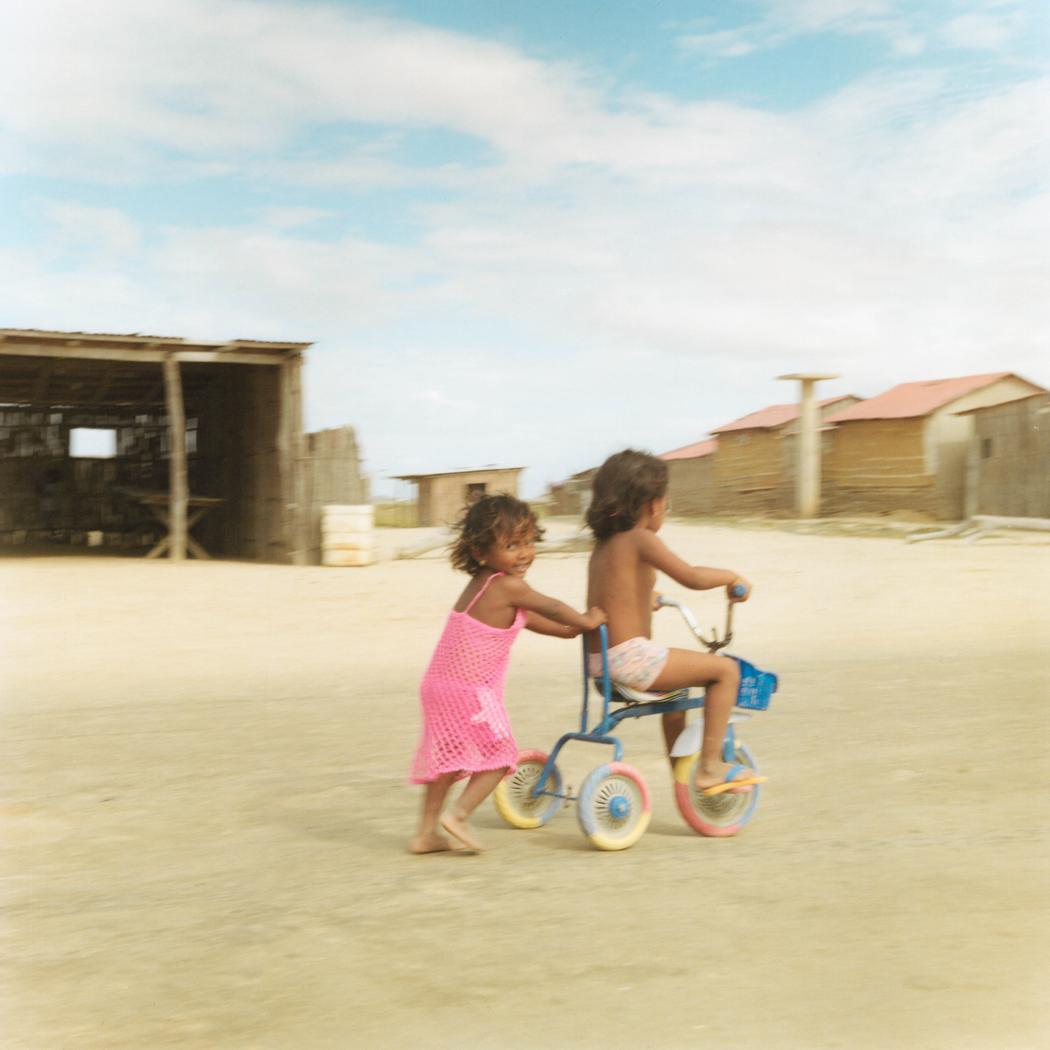 Nicolas Lutzius | Childhood | 2022
Several of the selected works feel timeless, almost detached from a specific era. Is this sense of timelessness something you consciously pursue?
Yes, I seek images that feel timeless. The beauty of the moment—often banal, simple, or forgotten—emerges in my photographs with a particular softness. My images seem almost detached from a specific era, as if they exist outside the flow of time. They invite contemplation, escape, and a poetic reflection on the present moment, far from the turmoil of everyday life. My work aims to move away from the extraordinary, focusing instead on the beauty of the ordinary and the depth of fleeting, timeless moments.
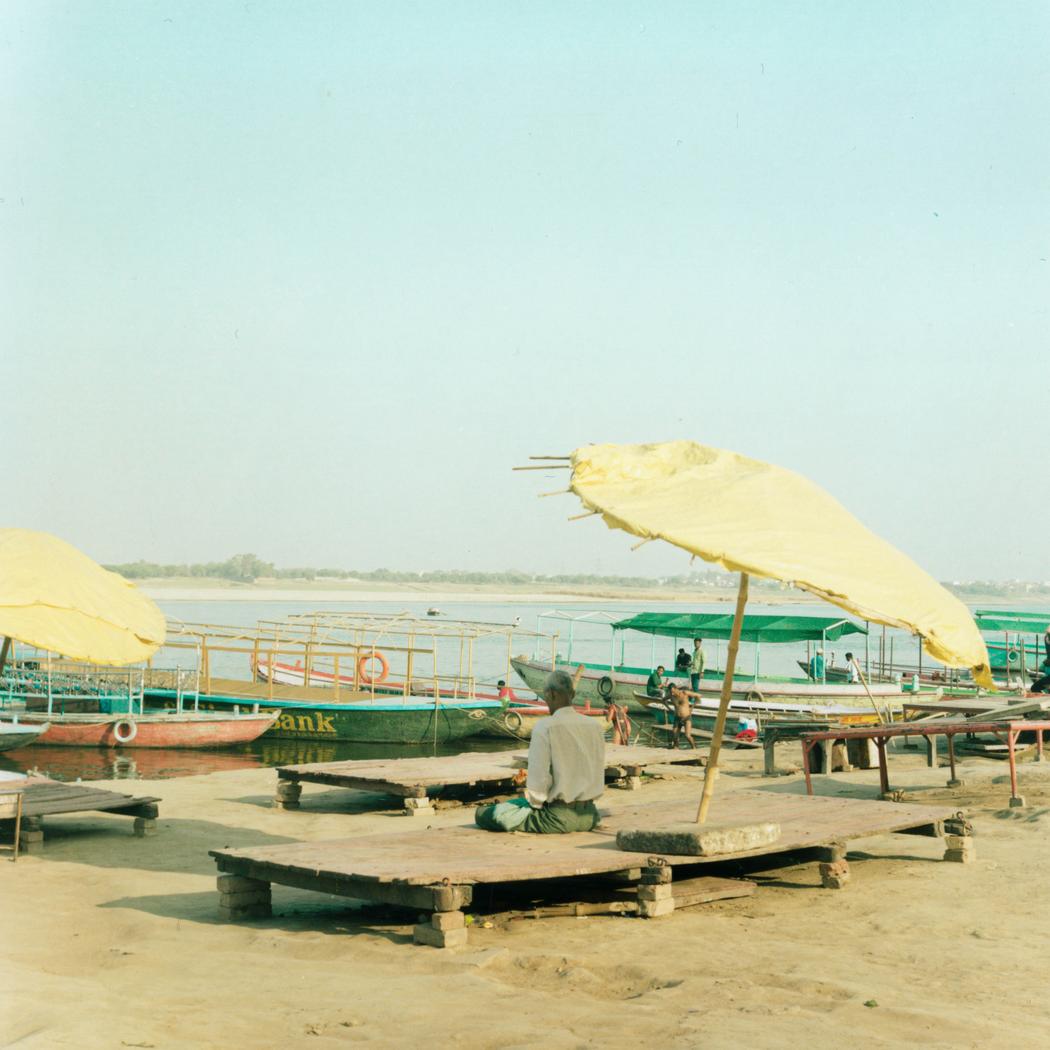 Nicolas Lutzius | Booktime | 2022
You describe your vision as being influenced by the classical tradition of photography. Which photographers or movements have shaped your visual language the most?
Patrick Alphonse,
Dhagpo Lobsang (instagram)
Javelot8 (instagram)
Jignam1 (instagram)
0 comments on “Nicolas Lutzius”